
Richard Edwards Whites Legal

Starting Off Smart: Richard Edwards on Leasing a Space for a Café

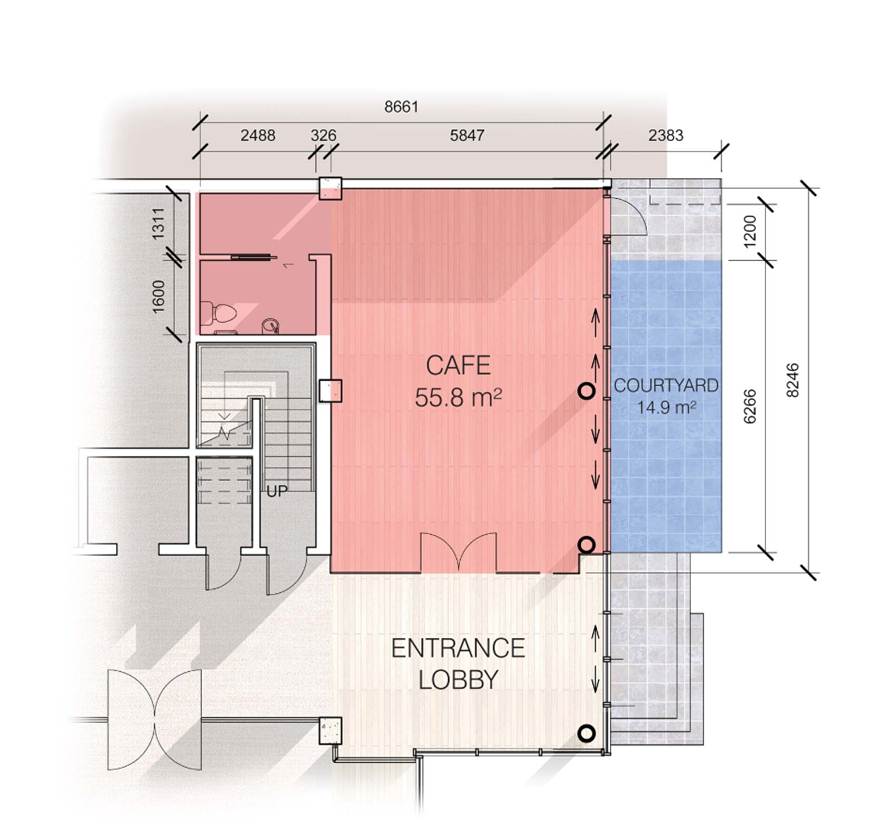
When starting up a café or restaurant, it’s all about the location. From the neighborhood to the interior of the space, the location can make or break an establishment. When you’ve found one you like, it may be tempting to just sign off on the lease without much thought. But as with any contract, it’s a good idea to know what the terms are and what you’re getting into – and how to get a better deal.  I talked with Richard Edwards of Whites Legal, a firm that specializes in the hospitality industry, about what you need to keep in mind when leasing a premises and how to negotiate.

Richard is an avid supporter of the hospitality industry, and finds the industry to be in the midst of an exciting time. He sees many cafés these days working to do things better and more interesting with coffee, breakfast, you name it. In his home base of Melbourne, the café Lawyers, Guns, and Money offers a unique experience and atmosphere, with Vietnamese-style coffee and traditional offerings.

Richard has made his career out of challenging traditional thinking – just because it’s the way things have always been done doesn’t mean it’s the right way to do it. Rather, Richard asks, how about working out a way to do it better? Part of this is making his work more client-focused, prioritizing people and relationships.  We mainly spoke about lease agreements, and Richard has a lot of advice to share with aspiring café owners.

Richard’s primary piece of advice is know what you’re in for before you sign. The lease agreement is the single most important document behind the hospitality business. Without a lease, you lose the location, and without a location, you’ve got no business. It’s also critically important to know the terms and value of the lease, so that if the time comes to sell or relocate, you won’t be surprised later on. Many people who go into the hospitality industry have no legal or even a business background, so consulting a lawyer is a good strategy if you’ve got questions about a potential lease agreement.

how to lease a cafe
Standard lease agreements include the usual terms such as how much rent will be paid when, requests for insurance and other compliance agreements, and the tenant reserving the exclusive right to occupy the premises. But there are other provisions that hospitality folks might come across, such as damage, destruction, and relocation clauses. Richard advises to exercise caution and to avoid if possible, such clauses.

What’s wrong with these clauses? Well, they can be often misunderstood, usually against the tenant’s favor. In relocation clauses, more common with shopping center properties, the landlord may reserve the right to relocate your business. After you’ve spent all the time and money fitting out a particular space, if your landlord reserves the right to relocate you, it leaves you at a business disadvantage. Richard advises to, if possible, refuse to accept relocation clauses, because it can happen at a moment’s notice and can’t be properly accounted for.

Damage and destruction clauses relate to tenant rights and landlord obligations in the event of a fire, the façade falling down, or some other disaster. It can outline how long you have to wait before you can walk away from the lease, whether the landlord has any obligations to repair the damage, and compensation on the part of the tenant. Particularly since it can be so costly to repair and remodel, you need to make sure you get decent compensation.

Often, hospitality people fall in love with the location and then accept everything bolted into it – even if it’s not ideal. Richard says this is one of the biggest and most common mistake he sees with his clients. One client of his went ahead and bought a place he loved, but there were no grease traps built into the location. As a result, he’ll have to build that in and spend more money than perhaps originally intended. Don’t get too caught up in the dream and lose your business sense.

Tenants may easily fall in love with a place, but landlords rarely become so taken with a particular tenant. In the case of a business lease, it’s an investment. Landlords don’t care so much about the details of a business plan, but simply whether or not you can pay the rent. Landlords may look at things such as your previous business experience and your assets. If you don’t have many assets to back yourself up, it’s even more critical that you have a solid argument for your business plan – and perhaps a good lawyer.

It’s also important to understand the numbers. If you don’t have much of a business sense, you should definitely do some reading up on it, or find someone who has some. Leasing a premises, along with the other costs associated with it, can cost big money, and you need to have an idea of what the short and long-term costs that might be related to the lease.

how to negotiate a cafe lease

A common clause in café lease agreements includes market rent reviews. This clause states which particular years in which the landlord will do a market review, and in between six and three months of the renewal period, a new rate may be decided upon. The details of such clauses can be confusing for the layman, who might gloss over it.

Know your rights as a business tenant. It puts you in a better position to negotiate. Consulting another party to evaluate the lease and soliciting a second opinion, as it were, will give you a better idea of what the actual market rate of the rent is and to avoid getting taken advantage of.

Another commonly misunderstood clause is renewals, and they can vary from area to area. Know the dates – normally between nine and three months for each renewal period – and put them in your calendar, so you know that you can be proactive when the time comes around for renewal. Normally, the landlord is the one who initiates the renewal process, but if not, it’s good, again, to know your laws and be prepared.

Guarantees are also often misunderstood among aspiring café owners. There’s normally an obligation for owners of a company to personally guarantee the payment of rent, and if not, then the landlord can boot you off. If you don’t have a lot of money behind your business, you may have to put a guarantee. Keep that in mind when negotiating.

If you’re working with a partner, or multiple stakeholders such as investors, directors, and shareholders, Richard advises to write up stakeholder agreements. These agreements outline everyone’s rights and obligations related to the business. For example, who has the final sale or fit-out on food on the front of house? Who has to provide guarantees? How will you raise more money? Much like a prenuptial agreement, you can define, in writing, how the business relationship is going to work. Thus, in the case of hard times, or the end of the business relationship, it is much less fraught and messy.

Richard says such stakeholder agreements are not common enough; in fact, all businesses could benefit from them. For Richard, relationships are tantamount to success in the hospitality industry. Even in the overall business sector, it’s about the people you meet and shake hands with. It’s important for café owners to foster good relationships with all partners in the business, especially in the event of a falling out. Even if you’ve already started, it’s never too late to draft one, as long as things are going well.
Cafe leasing

When negotiating a lease, it’s best to avoid gray areas as much as possible. For example, it’s inadvisable to occupy a premises before the date of the lease actually starts The much less complicated way to go about it is to at least obtain a tentative agreement beforehand, which basically outlines how much rent will be paid and so on. Then, once you’ve gone over the lease and all terms have been agreed upon, whether it’s the same day or a few weeks or months ahead of time, you can start realizing your dream for the space as soon as you get the keys.

Richard recommends several resources for people looking into entering the hospitality industry, not least of which his own Small Plates blog on the Whites Legal website. Richard writes in a casual, layman tone so non-legal experts can easily understand the concepts he comments on. Richard also recommends Open Table for a business point of view and Lucky Peach for different ideas and thought-provoking articles. Richard also recommends Serious Eats, especially their 3,000-word article on how to boil an egg – actually a useful guide for restaurateurs of all skill levels.

Leasing agreements are an important first step in starting up your café business, so knowing what you’re getting into is paramount. This only scratches the surface of Richard’s hospitality-focused legal expertise, however. His firm covers the gamut of the hospitality business, so there’s a lot more out there to learn. If you’d like to get in touch with Richard, you can find his details through whiteslegal.com.au. You can also subscribe to Small Plates and follow Whites Legal on Twitter for more tips related to the legal aspects of the hospitality industry.


Richard’s Key Takeaways

Don’t sign a lease agreement unless you understand all the clauses and terms of the agreement thoroughly. You don’t want to be caught off-guard later on.

Understand the numbers – consult a trusted associate or learn up on it yourself.

You may fall in love with a place, but keep in mind the costs and whether the place has everything you need.

Avoid relocation clauses in your lease agreements, if possible.

Keep in mind you may have to back up your lease agreement with guarantees. Evaluate your assets and how much risk you’re willing to take on. Guaranteeing your mother’s house, for example, may be too big of a risk to take for you.

With a renewal clause, make sure you understand the parameters and are well prepared when the time comes for a renewal.

Draw up a stakeholder agreement with business partners, investors, and other key players in your business. It will make things much less messy if and when the business relationship ends.

Consult an expert if you need help understanding all the terms of a lease agreement.

Richard recommends the journal Lucky Peach (http://luckypeach.com/) and the blog OpenTable (http://blog.opentable.com/) to read about food and the hospitality industry.

Check out the article on Serious Eats on boiling an egg, as well as the many other interesting and provocative articles you can find there: http://www.seriouseats.com/2014/05/the-secrets-to-peeling-hard-boiled-eggs.html

You can also check out Richard’s Small Plates blog on the Whites Legal website: http://whiteslegal.com.au/small-plates/



shane green slammed hospitlaity

Change is Good: Culture Hacker Shane Green’s Advice on Adapting to the New World of Customer-Centred Service

It’s never been more exciting to be in the hotel industry, according to Shane Green. With the rapid advancement of social media and mobile technology and the rise of disruptors such as Airbnb, the hotel industry is being shaken up in unprecedented ways. In the midst of all this change, Shane has lots of advice about how to stay afloat and get ahead in the hotel business.

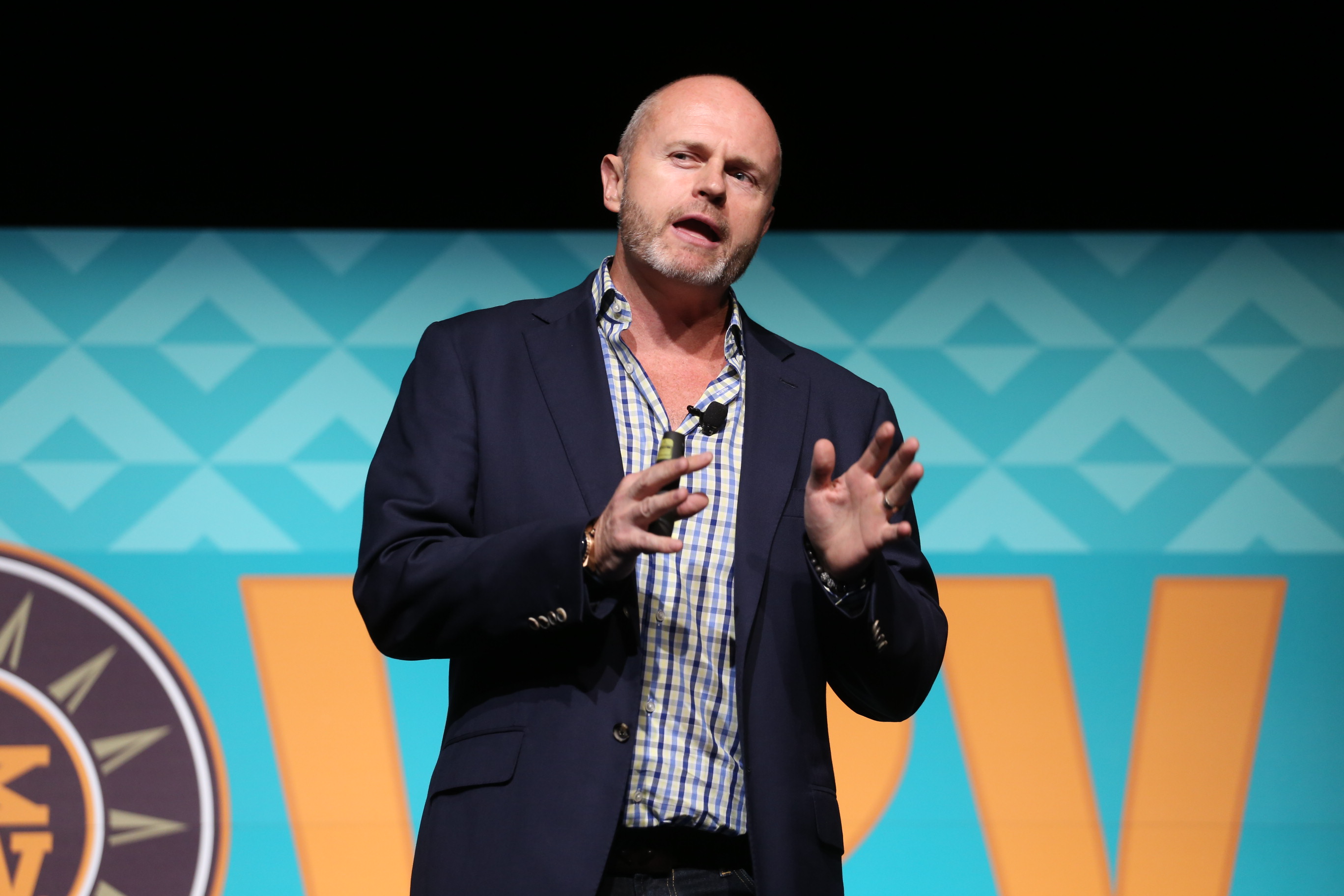
Shane Green is the former general manager of Hayman Island and host of the TV series Resort Rescue. Working as a consultant for struggling hoteliers, Shane has a lot to say about what people are doing wrong in the industry – and who’s doing it right. We spoke at length about the rapid changes occurring in the hotel industry, what’s doing well, and what people can do to improve their chances of success in an evolving industry. As the founder of SGE International, a business consulting and training company, Shane has given a lot of business talks, and he has plenty of wisdom to impart for aspiring hoteliers.

When it comes to industry game-changers, Shane points to the likes of Airbnb. Disrupting the hotel industry with a home-sharing model, Airbnb is strongly customer-focused. And what the customer wants today is an immersive travel experience, getting more of a feel for the local people, food, and culture. The rise of Airbnb, Shane says, is due in part to hotels taking the customer for granted, and failing to deliver what the customer wants. Disruptive models thrive when the existing model isn’t working, so the success of Airbnb is a lesson hoteliers can learn from. It’s incredibly important for hotels to deliver an experience to the guests, one that encapsulates the local flavour and culture.

shane Green Slammed Hospitality

Social media and mobile technology have changed the business game for a lot of industries, including hotels. This is an area in which Shane admits he lacked foresight, dismissing the likes of Trip Advisor ten years ago, before the proliferation of social media platforms. But now that the social media phenomenon has exploded into ubiquity, hoteliers need to get online. More than anything, it’s important for hotels to be active and responsive on social media, or else it appears to customers that you don’t care about what they have to say.

In the age of the internet and social media, some of the most important employees are the ones who will be answering the phones and emails, Shane says. The people who handle the online presence of your hotel can make or break your reputation. It’s essential to train them well, empower and enable them to be active online as a voice for the company.

Shane is a self-described “culture hacker,” and he believes that one of the cornerstones of a hotel’s success is the culture. And values, he says, are what create that culture. When getting into the hospitality business, you must figure out what your values are. In Shane’s case, values drive his decision-making. The next step is hiring employees that fit the culture – which can be more challenging than you might think.

All employees, Shane says, are important to ensuring business success, and employees that don’t fit the culture will likely hold the business back. Shane advises that when hiring, have a job candidate speak with as many people as possible when interviewing, sort of speed-dating style. If they’re still smiling at the end, you may have yourself a new hire.

But it’s not just about hiring the right employees. It’s also about keeping them happy and productive. While 20 per cent of employees will be superstars and perform no matter what, Shane says, five per cent won’t give a damn and do as little work as they can get away with. The rest will over- or underperform depending on whether the superstars are adequately recognized for their work or if the slackers are insufficiently held accountable for their behaviour. Shane believes that many employers spend too much time running after the poorest performing workers. He advises to give your best people all the time they need, and the worst “enough rope to hang themselves with” before letting them go.

Shane Green Slammed Hospitality

Shane Green Slammed Hospitality

Though he’s turned a successful career in the hotel industry into a lucrative speaking one, Shane admits he’s made mistakes in his past. At Hayman Island, they were sometimes unprepared for the big crowds on the big holidays, and he discounted the role technology would eventually play in everyday life. But, he says, “without mistakes you can’t actually get innovative, creative; and quite honestly, it’s that creative innovation that’s going to keep our industry exciting.”

Big changes are happening in the hotel industry, and Shane couldn’t be more thrilled. He predicts that in the next ten years, a single platform may connect everything to the hotel, through an app downloadable on any mobile device. All a future guest may need is an app to have a great hotel experience. In the near future, he’ll keep giving talks, running SGEi, and start a podcast and possibly a TV show this year. But whatever the future holds, you can be sure that Shane will be ready for it.

Shane Green’s Key Takeaways

  1. Focus on what makes you unique, and celebrate it – that’s what will bring customers to you.
  2. Figure out your values and the culture of your business, and stay true to that culture.
  3. Develop a customer experience strategy: deliver the best products, enliven the senses around the environment, allow your guests to have as much time as possible. And of course, make sure you have the right people to bring all these elements together.
  4. Maintain an active presence on social media, and if you can, develop your own app, to keep a conversation going with customers.
  5. When responding to comments on social media, keep it short, sweet, and polite. Having a second pair of eyes to check comments for grammar is also a good idea.
  6. Transparency and honesty is also important when interacting with customers online and off.
  7. The cleaning up and preservation of the environment remains an important but too often ignored issue – and hoteliers can do their part to reduce waste, source food and materials locally and organically, and support conservation and other environmental initiatives.
  8. Hire folks who fit into your company culture. The speed-dating interview model may be worth a try.
  9. When you take on new employees, give them an amazing first day, then teach them how to deliver a similarly amazing experience to guests.
  10. Make sure to recognize and reward your best employees, and hold your worst performers accountable. This will help the employees in the middle be more productive.
  11. Look at what the company Zappos does. Zappos is considered to have the best customer service and call centre out there today.
  12. As Steve Cannon of Mercedes-Benz says, “customer experience is the new marketing.”
  13. Don’t be afraid to make mistakes – view them as a chance to step back and try something new. But if you keep making the same mistake, it may be a sign to leave the business, and try something else.
  14. If you travel to New York City, try the new app Killer Rezzy – an app he recommends by Shane Green that enables you to reserve a good table at any restaurant, guaranteed, for only $30. http://www.killerrezzy.com/killerrezzy/index.php
  15. Luxury lodges have the customer-centred local atmosphere down. Look to lodges such as southern Ocean Lodge and Wolgan Valley Lodge for resorts doing it right.
  16. Smart, savvy general managers become the centre of their communities.
  17. A nugget of wisdom from Shane Green: “Your customer experience will tell you everything you need to know about what’s under the hood.”
  18. Keep learning, maintain an open mind, and look out for what’s next.
  19. Finally, don’t be afraid of change – be able and ready to adapt to new trends and technologies that may affect the way people do business.

Ben Milbourne Food By Ben

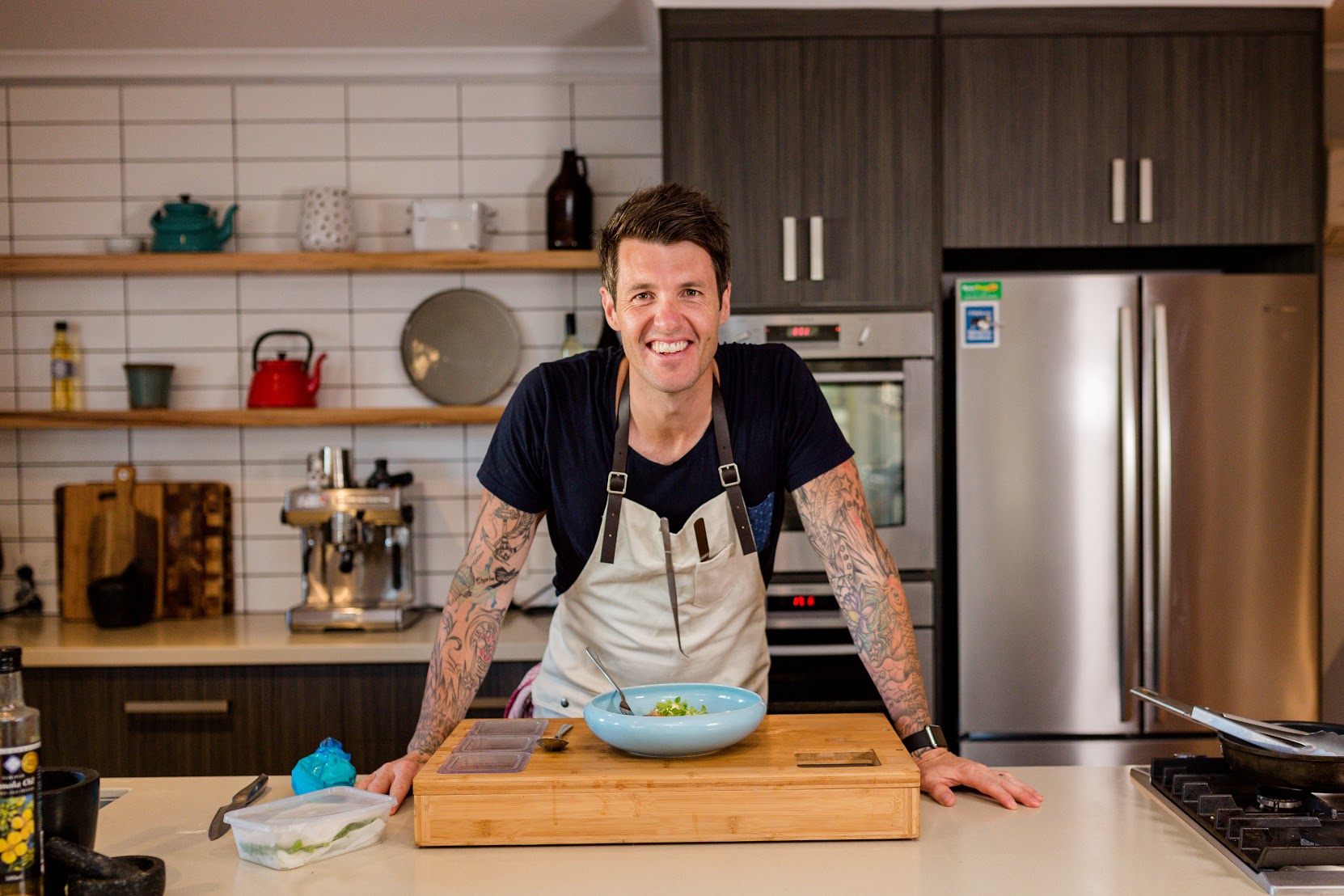
We spoke with Ben Milbourne, a season four contestant of Master Chef, and host of Ben’s Menu, about his time on the show and what he’s been up to since. Ben has turned his passion and newfound celebrity into a successful business. Under the umbrella moniker Food By Ben, he gives food tours, serves degustation dinners, provides cooking demonstrations and motivational speaking engagements. Most of these endeavours combine a love for food and home – everything, from the home office to the food sourced for culinary transformation, is located in his native Tasmania.

Ben views his time at Master Chef as an incredibly educational experience, with the judges serving as mentors at times, pushing and encouraging him when he needed to be. But he also found the atmosphere isolating, with no newspapers, TV, or extended contact with loved ones allowed. “You become a really raw human,” he says of the experience. “Your ability to cope has been completely taken away from you.” As a result, contestants become extremely emotionally invested in the food that they make, which is criticized constantly on the show. “Don’t go so hard on them when they’re crying.”

Though Ben has found success through an old medium, he sees that young aspiring chefs have plenty of opportunities these days. Entrepreneurial chefs can open up their own food trucks with less risk and investment capital than a traditional restaurant and are free to experiment with their own cuisine. But, like any business, running a successful restaurant is teamwork – finding a good staff is among the most challenging and rewarding things about the business, he says. Ben even travels with his exec chef so that she can imbue the same philosophy and care in her dishes as he would in his.

Even with the franchise being named in his honour, Ben emphasizes that the whole operation is a team effort. Of the four major parts of the business, Ben only runs two; while his wife, Sally, is in charge of the other two parts. Together they play off each other’s strengths – Ben’s of cooking and media and Sally with tourism and event planning – to develop the successful business they’re running today.

Ben Milbourne Food by ben

Among the most important questions he asks his staff each day is, are we having fun? And if you’re not having fun, take a step back to figure out why, and fix it, is Ben’s simple advice. In such a crowded and competitive industry, the level of staff enjoyment can make or break a restaurant.

Of course, quality raw ingredients also make for a great restaurant, and Ben is a staunch advocate of locally sourced and organic ingredients. Part of his business philosophy is one degree of separation – the restaurant staff acting as gastronomic mediator between producer and consumer – and practices what he preaches. As it’s an ever-growing trend the world over, it’s hardly a passing fad. “Keep it tasty the way nature intended.”

Adaptability and a positive attitude are also essential when going into the restaurant industry, according to Ben. The only constant is change, as they say, and when it comes to working in the hospitality industry, faith in humanity, and hope for a better world, is key.

Another key to success, and among the best piece of advice Ben has received in his life, is to know your strengths and weaknesses. “Figure out what cards that you were dealt and how best to play them.” And as opposed to trying to make them fit a certain box, play them to your advantage. Though Ben is not a morning person, he gets his most productive creative work done at night, and dedicates those late-night hours late to writing recipes, menus and flavour profiles.

ben milbourne

In spite of his unusual career journey, Ben wouldn’t change anything for the world. “I’ve been one of those lucky people who’s loved the work that they’ve been doing,” he says. However, “I probably would’ve given myself some advice on how to beat Andy in the final [of Master Chef].”

Ben is emblematic of this generation of up and coming chefs, with a unique look to match his unique approach to the restaurant business, sporting a sleeve of artful tattoos on his arms. Of the tattoos, which quote from a Marianne Williamson poem, he got during his teaching days. It served as a starting point for the first lesson, and as inspiration for students at an age of insecurity to let their inner light shine. Then, as now, Ben sees himself as an example for others, encouraging them to take risks and pursue their passion.

You can find Ben on Facebook, Twitter, and Instagam, under Ben’s Menu and ben_millbourne. Season 3 of Ben’s Menu debuts in 2016.

10 Takeaways from Ben

The competition at Master Chef is rough – but it makes you realize whether or not you really want to be in the business, and Ben came to the realization that he did.

One degree of separation from food sourced to food served is catching on in restaurants and in the culture. Always make sure it’s the good stuff.

Stick to what you love – if you love the food you make, other people will love it, too.

Find the right staff for your restaurant and share your passion within them – they’ll learn to love it too.

You don’t need a lot of capital or even clout to start your own business these days – even food trucks can become wildly successful.

But don’t spread yourself too thin – prioritize wisely.

Ask your staff if they’re having fun. If not, take a step back and see what you need to fix so that you all enjoy the work.

Inspirational quote: “As we let our light shine, we unconsciously give permission for others to do the same.”

(from A Return To Love: https://www.goodreads.com/author/quotes/17297.Marianne_Williamson)

The ability to adapt to change is ever more important in todays’ fast-paced world.

Play to your strengths – understand both your strengths and weaknesses, so you can use them to your advantage.


ssas

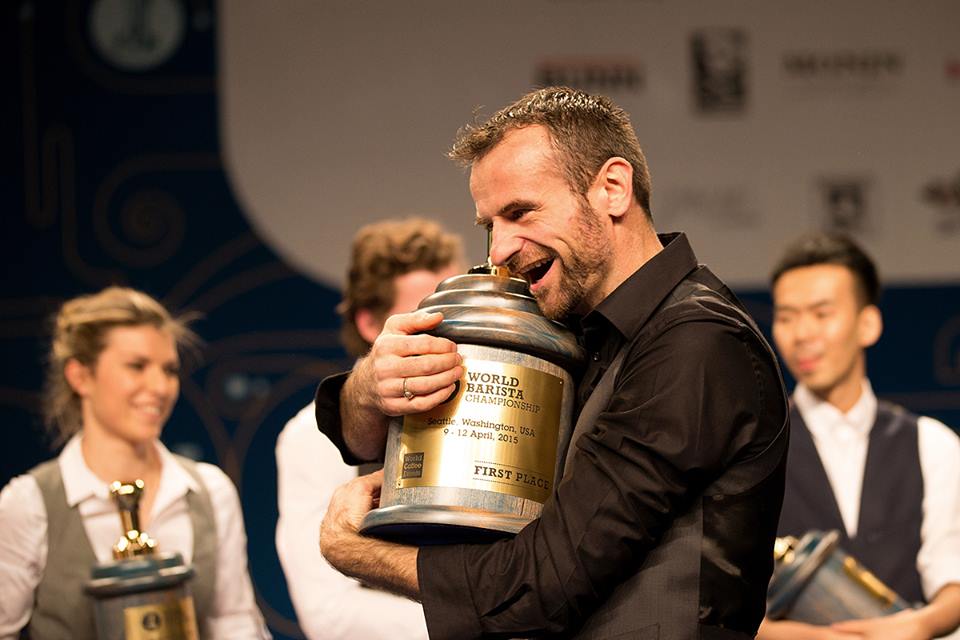
Sasa with the world barista champion trophy

Bringing the Best Coffee from Bean to Brew – Sasa Sestic’s Secrets of Success

It’s been a long hard road to success for Sasa Sestic. The current Australian and World Barista Champion is the founder of Ona Coffee, winner of best espresso and best roaster. After seven years of striving for the title of world champion, he has finally won it, and has been busy ever since. Success never sleeps, and a good cup of coffee certainly helps.

Winning competitions is nothing new to Sasa. In his native Serbia, Sasa and his brother were top handball players in their country. After immigrating to Australia, they played for the national handball team in 2000. Though he had a chance to sign on to continue playing professionally with several teams, Sasa decided to leave the world of sports and enter another extremely competitive field: the hospitality industry.

Sasa first worked in bars, clubs, and fine dining restaurants. It wasn’t until a barista position opened up in his wife’s café that he decided to move into the coffee industry. Back then, he didn’t love the taste of coffee – that is, until a trip to Sydney and a local Campos Coffee – made him wonder if they were just brewing it wrong. “You’re looking at these baristas, how professionally they work…they’re making these delicious cappuccinos and you do not need to add any sugar.”

When he returned to his adopted hometown of Canberra, he decided to try out some of the methods he’d seen in Sydney, including brewing on demand and producing rosettas in the cups. Part of it also included changing the recipe to better suit the coffee to the water in Canberra, as he discovered that the taste of the coffee changed depending on where the water came from.

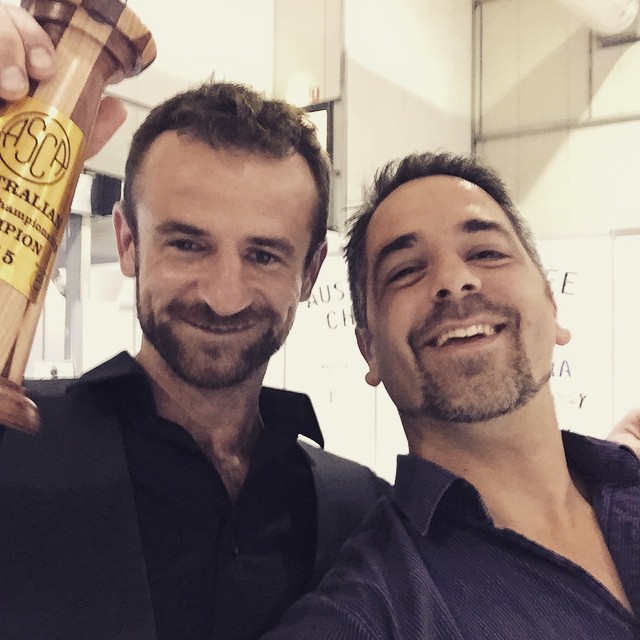
sasa and pete

Sasa & Pete

In some ways, working in coffee can seem glamorous. And passion, Sasa says, is important. But you also need to have the drive and dedication to make your business a success. For him, participating in barista competitions kept his knowledge up to speed and helped him perfect his brewing skills.

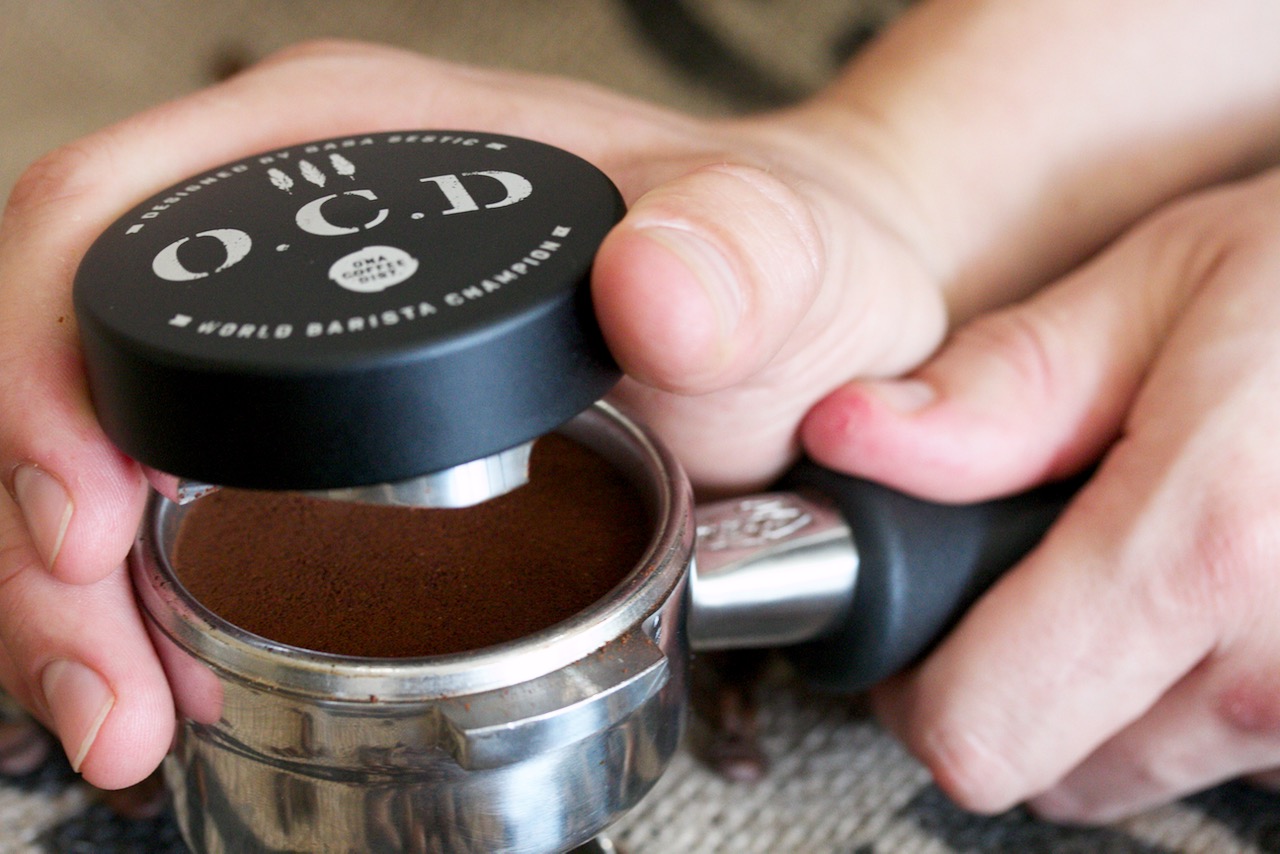
The story of the OCD (Ona Coffee Distributor) is a story of learning from failure. At a barista tournament in Singapore, Sasa’s unnecessarily lost points from the technical judges. The reason? The coffee brewing baskets could only hold 15 grams’ worth of coffee – a smaller capacity than his coffee’s usual 20 grams. As a result, the distribution of coffee was noted as uneven. Afterwards, Sasa devised a tool to distribute the coffee evenly for a better brew, no matter the size of the basket. Thus, the OCD was born, and he has been perfecting it ever since. The fifth iteration seems to have perfected the process, and the OCD is now available to consumers worldwide.

Sasa Sestic OCD

Sasa’s OCD Distribution and Tamping Tool

Being a good barista consists of much more than customer service, or brewing the best cup of coffee. It’s more of a mix of the two. Half of the skills required for a good barista are hospitality, Sasa says. Customers won’t want to drink the coffee, even if it’s the best in the world, if the baristas are cold and uncommunicative. However, technical skills and some degree of expertise in the coffee growing and roasting process are important. While only a head barista, as it were, should have an encyclopaedic knowledge of the origin and particularities of coffee, some basic knowledge of brewing and a palate developed enough to tell the difference are all essential.

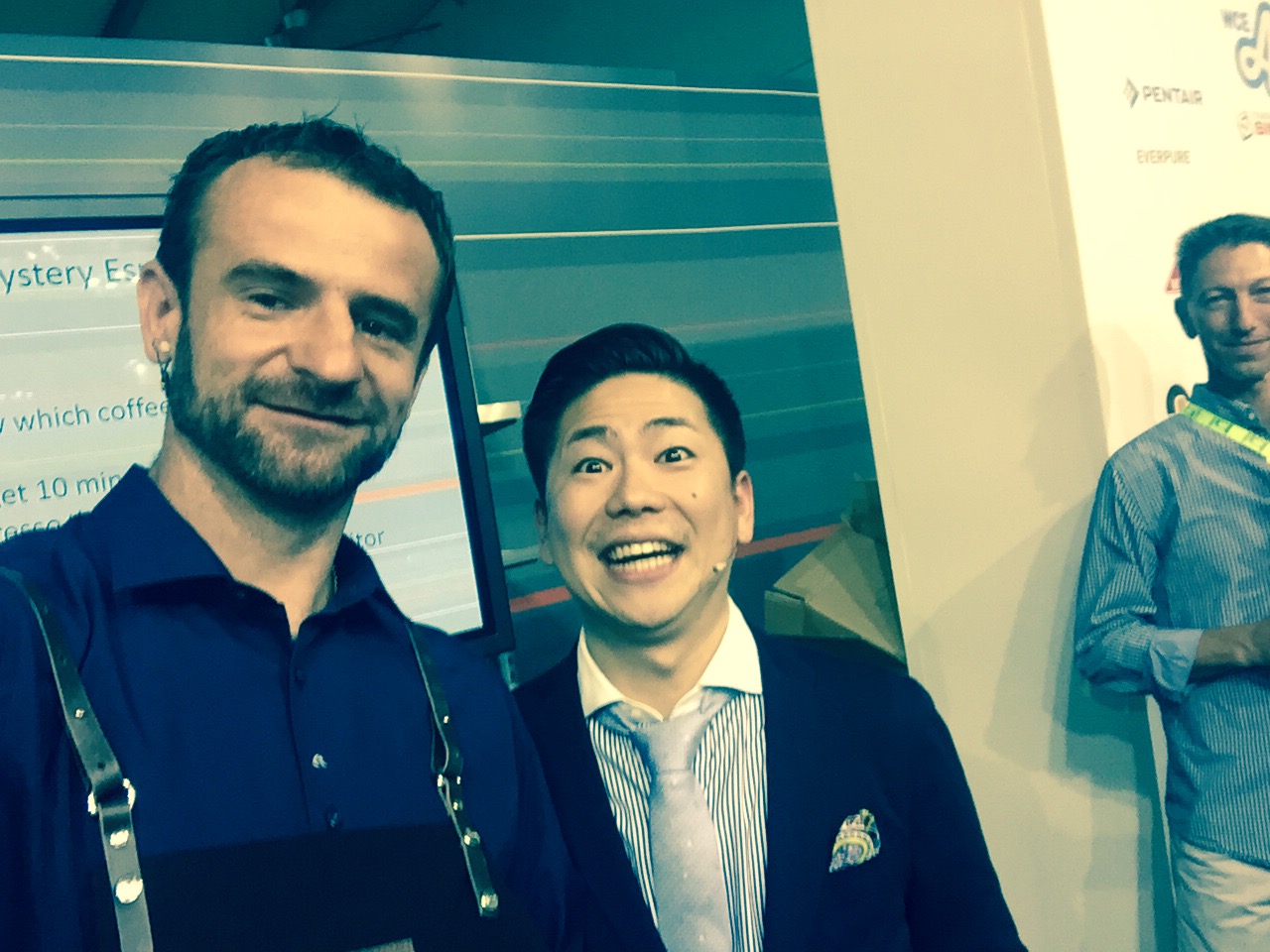
Seeing Double - Two world champions

Seeing Double – Two world champions

When it comes to coffee, it’s best practice to know as much about the bean as possible, from where it’s grown to how it should be best roasted. This is where Project Origin, established by Sasa in 2011, comes in. Project Origin goes to farms and in some cases has actually purchased them, to ensure the best possible quality coffee is produced there. On the Project Origin website, you can find information about Ona’s coffee producing partners, the varietals grown, and details about the growing process there.

One of the people Sasa most admires is a farmer at one of these coffee producers, Don Fabio of Honduras. Sasa credits Don Fabio as giving him one of the best pieces of advice that he’s ever gotten: “When you pick a coffee cherry, it comes perfect from the tree. It’s only up to us farmers, roaster, and baristas how much damage we’re gonna give to that coffee.” To this day, Sasa says, that piece of advice has been a driving force of his career in coffee.

His sports past has fuelled his healthy appetite for competition, which continues to thrive to this day, evidenced by his participation in barista competitions and tournaments. Though it wasn’t always easy, Sasa preserved, which he says is another important component to success.


Sasa’s Ten Takeaways

  1. Passion is important, but knowledge, skill, and dedication will get you far in the coffee industry.

  2. There’s nothing wrong with a healthy sense of competition – and paired with perseverance, even if you don’t win the first time, you may win sometime down the line.

  3. When opening a café, first know what does the company stand for? What is the role you play in the community? Match the café atmosphere to those answers.

  4. Baristas should not just be coffee experts, but customer service experts, as well.

  5. Good managers are also important, to carry out the vision of the café owner.

  6. Take moments of failure as opportunities – they may lead you to your next success.

  7. You can find the OCD machine here: https://onacoffee.com.au/shop/ocd-ona-coffee-distributor/

  8. Read this book by W. Clement Stone:

    http://www.amazon.com/Success-System-That-Never-Fails/dp/1604599316

  9. Google Maps is something he just can’t live without

  10. Humility and living a simple life not so obsessed with money and things is virtuous in our materialistic era – Sasa certainly thinks so.

  11. For more info on what Sasa and his team are up to visit:

 https://onacoffee.com.au

https://www.facebook.com/onacoffee

https://www.facebook.com/sasa.sestic/

http://projectorigin.com.au

ben odonoghue

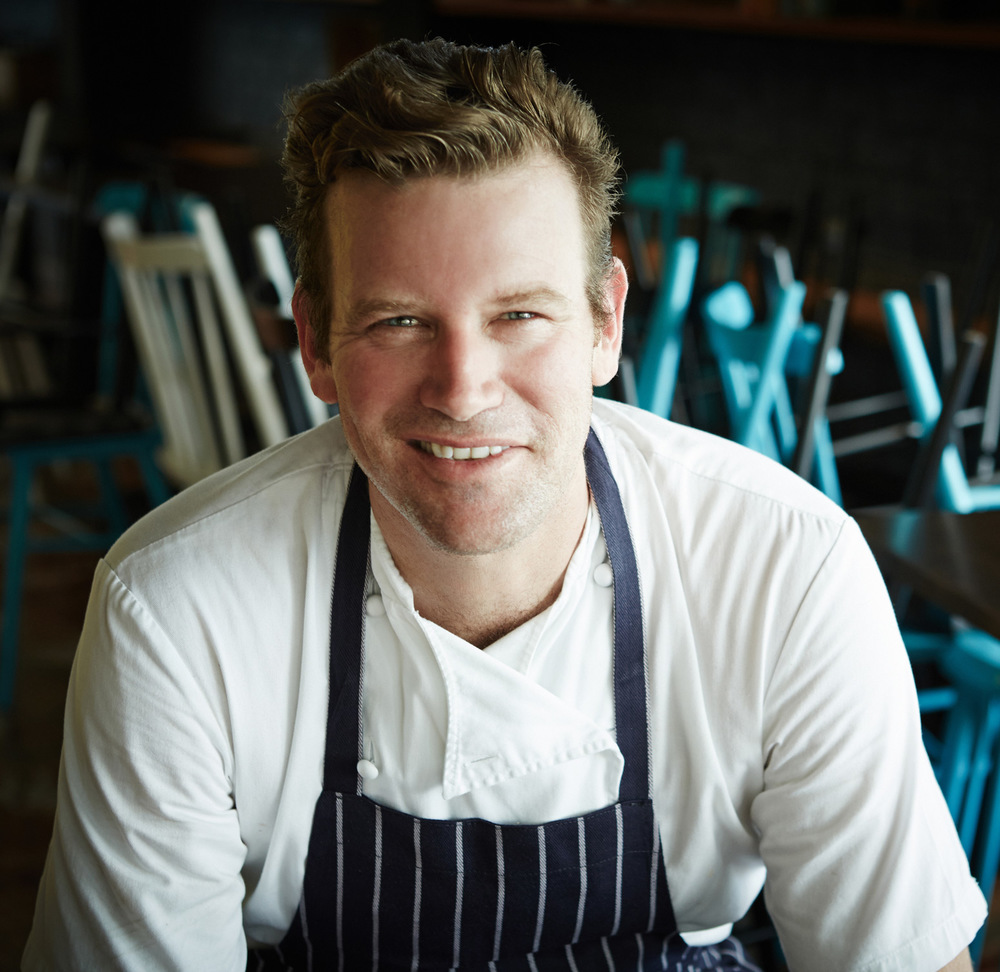
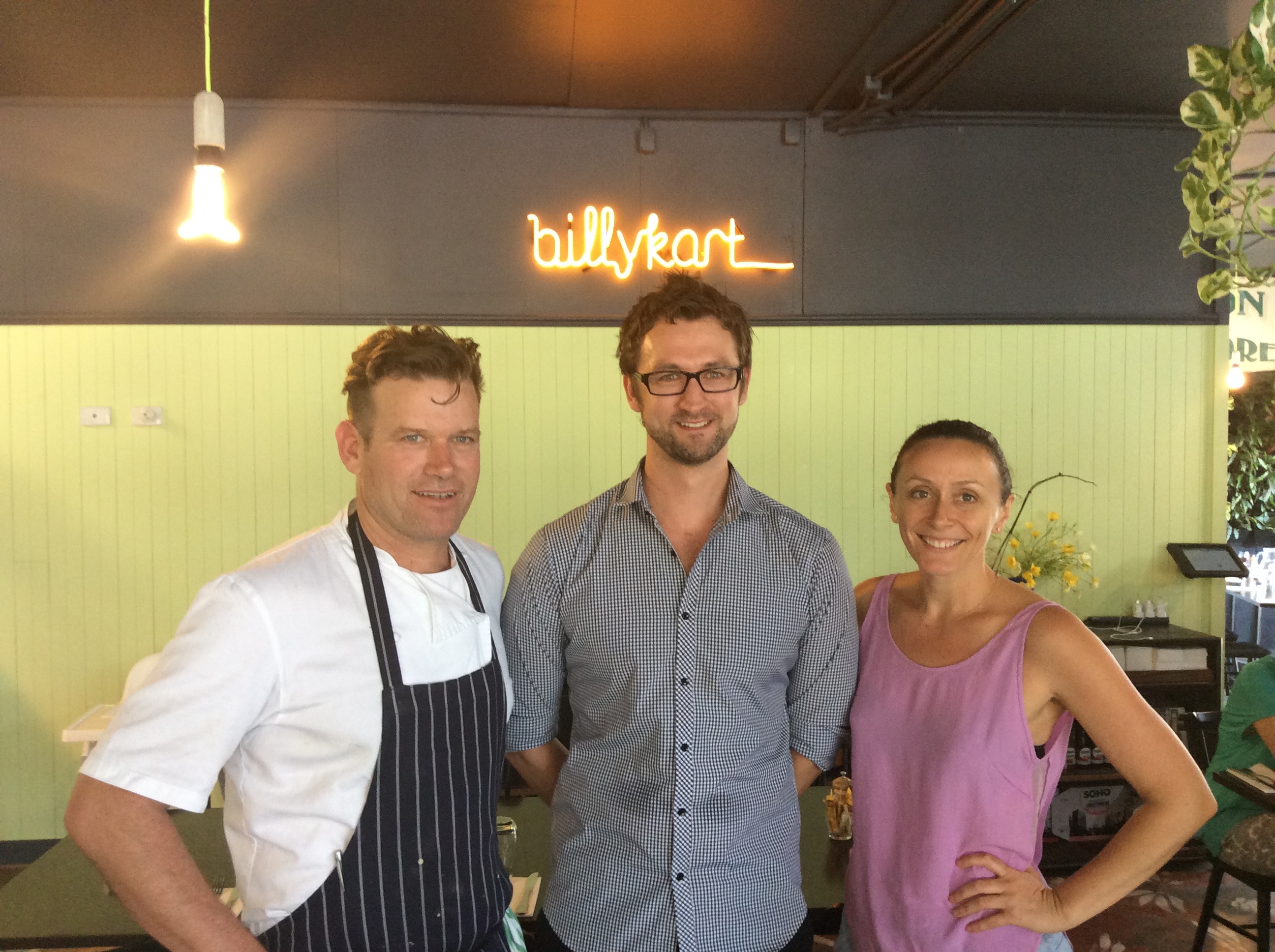
From appearances on Masterchef Australia to expanding his café into a franchise, the wind blows in the right direction for Ben O’Donoghue. We spoke with Ben in his newly opened Billykart Kitchen in the West End of Brisbane. An easy-going personality on and off the screen, Ben has made a name for himself on television and the real world.

As the West End is the second location – the original Billykart is in Annerley – we asked Ben how the opening went. Though the restaurant is thriving today, there were some bumps in the road. “Nothing happened on time, everything went wrong that could’ve gone wrong.” Some of the frustrations, Ben thinks, were due to his relative lack of control and good communication. With the first Billykart, Ben worked directly with everyone in charge, even the builders. Still, he considers the experience satisfying, and takes everything in stride.

Opening the first Billykart in Annerley with his wife was not so smooth, either. It seemed that everything that could go wrong did. Among other disasters, the coffee machine broke down and a juicer mishap covered a worker in fruit pulp. They also got some harsh criticism on social media, which his wife found tough to tolerate. Ben considers critics on sites such as Yelp to be selfish and shortsighted in their comments. “They don’t consider the impact that their perceived professional opinion has on others.” That said, he doesn’t take online comments seriously, and has kept going with the restaurant franchise.

Today, it’s as important as ever to have a bit of empathy. Listening to exclusively negative criticism is a waste of time, Ben says. But if someone has more thoughtful and constructive criticism, they may be worth listening to. As a customer and business owner, Ben learned to be unafraid to voice a complaint in the moment – even when dining at a good friend’s restaurant.

Ben has always been interested in cooking, but stumbled upon a career in food rather accidentally. After spending the summer volunteering on an island off the coast of WA, he loved it so much that he found a way to stay. This led him to taking a kitchen job. He found a strong sense of camaraderie with the chefs in the kitchen, and the workdays were fuelled with adrenaline and action. His first time making béarnaise sauce was on the job, with some help from the head chef, and he succeeded spectacularly. Ben credits this experience to hooking him into a career in restaurants.

Things have changed in the industry since Ben started out. In addition to the arrival of social media and the proliferation of the everyman as critic, the back of house atmosphere has changed. There’s a skill shortage, he says, in part due to the cutthroat working conditions for young chefs and apprentices.  The traditional expectation of starting out at 70 hours a week may keep some talent from entering the industry. He generally keeps his own kitchen crew to 40 hours a week. “If you want longevity, you’ve got to give people a bit of work-life balance, you know?”

Having expanded his single restaurant into a burgeoning franchise, Ben has a word of advice for those looking to do the same. When expanding into a second location, planning is key, and something he admits he could’ve done better in his own expansion. “You’ve got to make sure that the product you’re delivering meets the expectations of the customers.” Having good support in place is just as important as when starting up your own business.

IMG_0035

In spite of all his good luck, Ben says he could have struck out on his own sooner. He’d had multiple opportunities in the past, but decided not to take them. He advises young chefs today to go ahead and be brave, strike out on your own. It’s easier, in some ways, to take a big risk when you’re young – if it doesn’t work out, you can dust yourself off and go back to working for others. As you get older, there’s a lot more at stake if you fail.

Having been in the industry for over 20 years Ben has seen trends come and go. From nouveau cuisine to molecular gastronomy and health food trends, Ben’s just about seen it all. Next on the horizon in food, he predicts simpler organic foods to be featured in a casual atmosphere. Diners, for instance, are making a comeback.

But what does the future have in store for Ben? “I want to take over the world,” Ben jokes. On a more serious note, Ben looks to open a third location and possibly open up Billykart Kitchen for dinner. Yet whatever the future holds for Ben O’Donoghue, fair winds are sure to carry him on.

Ben hasn’t spent much time cultivating a social media presence – though he hopes to change that in the near future – but you can look up Billykart Kitchen online, located in West End Brisbane and Annerley.


Ben O’Donoghue’s ten takeaways

  1. Have courage – if the timing seems right, take a risk. Start that business, or open up that second location!

  2. If there seems to be a fixed path laid out in life, that doesn’t mean you have to take it. Follow your heart.

  3. Stay focused on what you want to deliver. Stay true to your loyal customers.

  4. Don’t let negative comments wear you down. But listen to reasoned criticism.

  5. When acting as a critic yourself, be constructive and thoughtful in your own comments.

  6. You might want check out South Park’s take on the subject of amateur critics:

  7. As Oliver Peyton once told Ben: Always hire someone better than you.

  8. Though it takes a lot to run and work in a restaurant, work-life balance is important.

  9. If you have a complaint, say it the moment it happens.

  10. If you’re looking to expand your restaurant, plan it well and stay organized. And a steady cash flow doesn’t hurt, either.

Phillip Di Bella

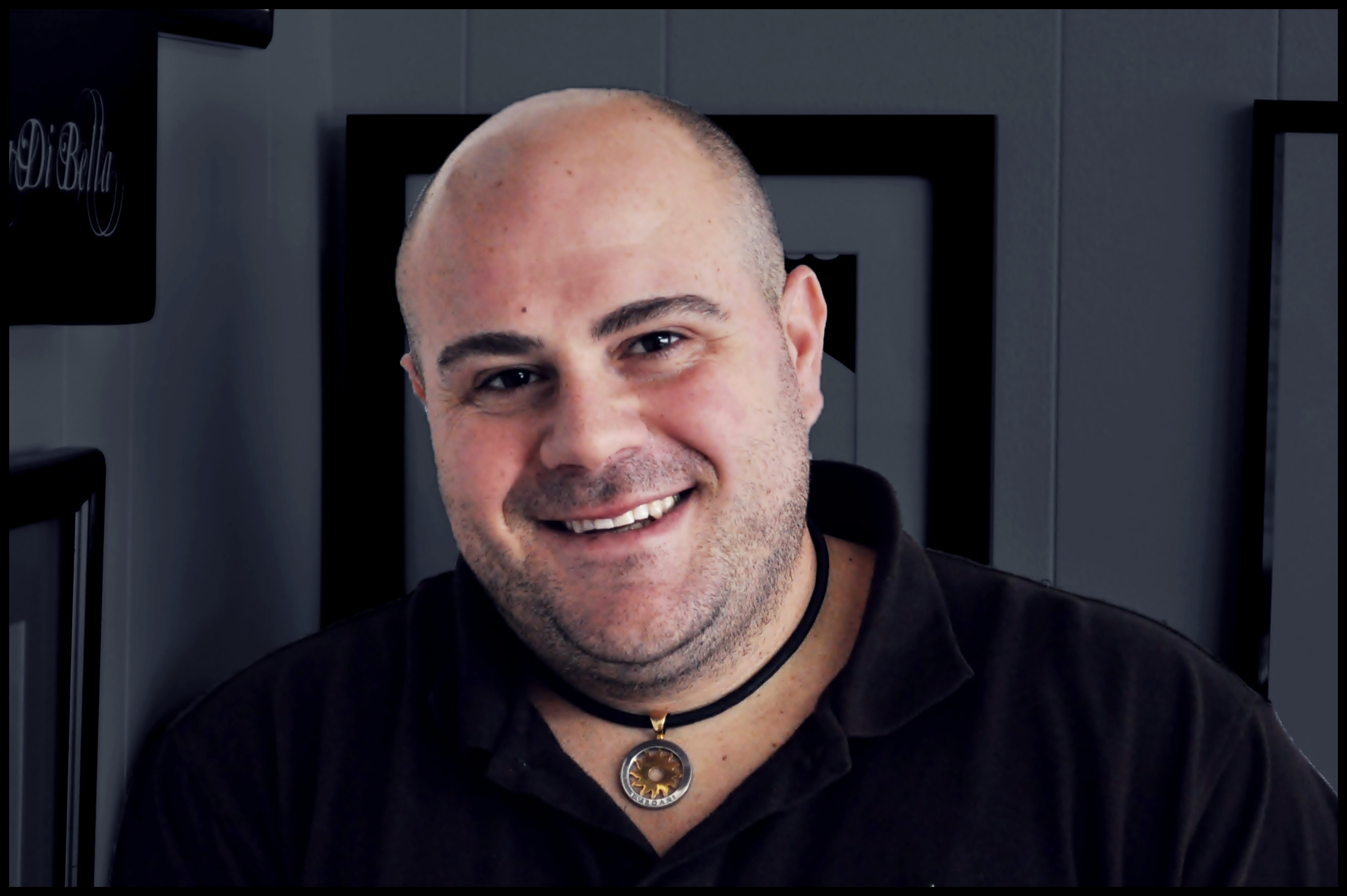
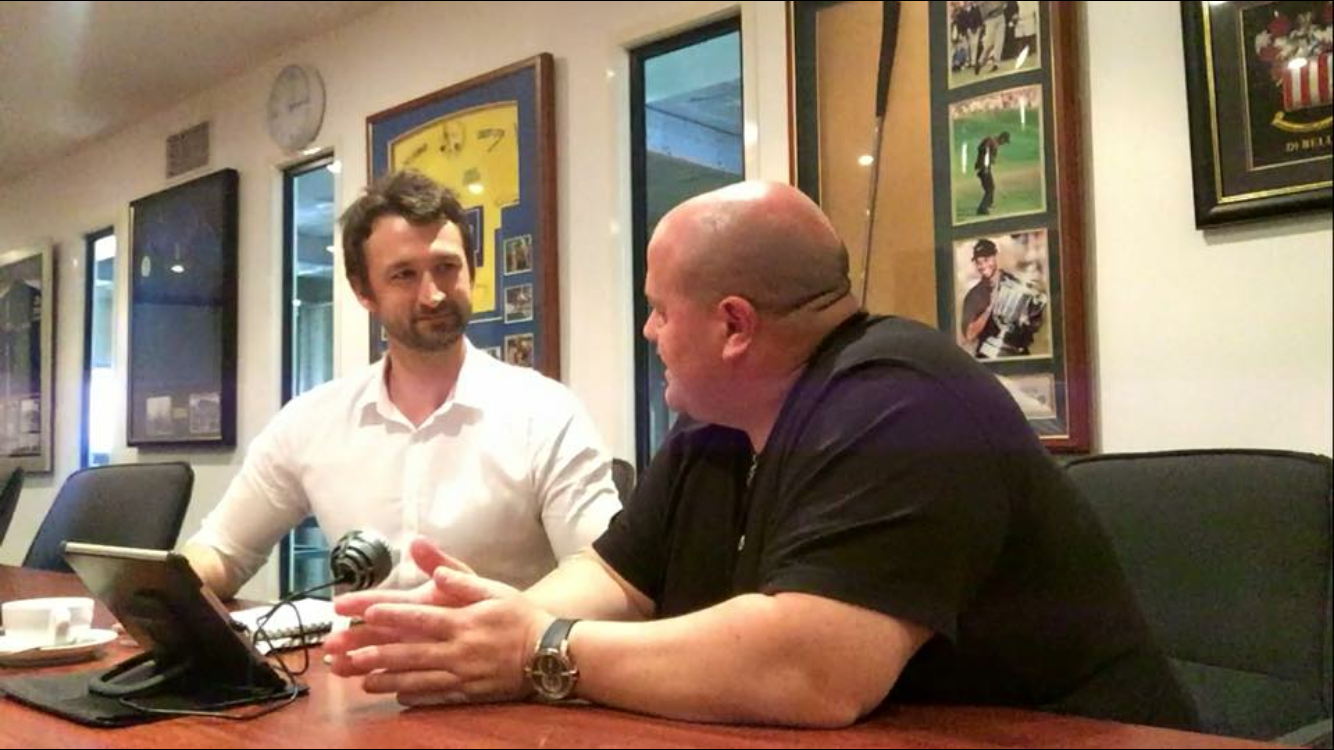
Phillip Di Bella, founder of Brisbane-based Di Bella Coffee, has spent much of his working life in the hospitality industry, and knows the ins and outs of the business. We spoke about Philip Di Bella about his past experience in the industry, his advice for those starting out, and what he hopes for the future.

Phillip Di Bella was, in a way, primed for success in the hospitality industry. Growing up in an Italian household, he was around food, drink, and good people all his life. At 14, he started as a dishwasher in his brother’s pizza shop. At 18, he started working in a café while attending university, and taught himself how to cook classic Italian dishes such as pasta and pizza.

For Di Bella, knowing what he was getting into was one of the keys to his success, and the biggest piece of advice he had to share. Working for somebody else in the industry helped him learn what running a café was all about. He spent nine years in a café that brewed their own coffee, and learned the ups and downs of the business – but especially, he learned what they did wrong.

Di Bella gave us three tips on folks who are interested in starting up their own café or restaurant – though these principles can apply to anyone who wants to start his own business. First of all, have a clear vision. “Understand where you are right now, understand where you’ve come from,” he says. “But know where you’re going.” A clear vision, he explains, helps you keep thinking about the future and focused on your goals.

Secondly, resilience is important.  Bad days will happen just as often, if not more often, as good days. The storm will hit at the least opportune moment, and the ability to bounce back from them is tantamount to success. Specialty shops have been making a comeback, so knowing your specialty is important – whether it be breakfast or dinner, Chinese or pizza, master it and own your specialty.

Finally, branding is extremely important is business. Brand, as Di Bella defines it, is an emotional connection that people have with a business.

A turning point for Di Bella’s business was when his company said that they were not just a bag of beans. In addition to being a coffee supplier, Di Bella Coffee developed a full-scale service project, doing everything from complete order fulfilment service to stock rotation, equipment maintenance, and staff training. So when people think of the Di Bella Coffee brand, they think not only of great coffee, but of the services and support they provide.

Phillip De Bella

One thing that the world needs more of, Di Bella believes, is more understanding. Another way that Di Bella puts it is emotional intelligence. In a way, Di Bella says, the level of emotional intelligence present in a society reflects the level of humanity – and especially, creativity and imagination – within it. In the hospitality industry, understanding is especially important, to provide excellent customer service.

Among the traits he attributes to his success are good time management skills and maintaining a clear vision for his business. Di Bella views these traits as intertwined, as planning ahead will ensure that he makes the best use of his time. To maintain his vision, he writes notes to himself – primarily using the Notes app on his mobile – as reminders to keep his goals clear.

Another part of success is keeping up with the times. Before, it was just fine for a business to just supply a bag of beans. Now, suppliers need to do more to stand out from the competition, acting as part of a support network for owners in the very fast-paced and volatile café and restaurant industries. Customer service is a huge part of this, according to Di Bella. “The best time to deliver customer service is when something goes wrong.” And when it does, look for the opportunity to fix it with efficiency.

A huge component of a successful business, Di Bella says, is a good leader. “If you see a bad worker, look at the leader.” A CEO is only as good as his workers, and part of being a good leader is maintaining the mindset and vision of the company.

Di Bella relishes competition, confident that his product is the best. He’s fine with customers choosing competitors’ coffee, saying, “You don’t know good if you haven’t experienced bad.” He loves finding people, in a room of a hundred, who don’t drink Di Bella, and converting them to the brand. “Give them a reason to choose you every time.” This confidence, as well as all the knowledge and skills he’s acquired along the way, keep Phillip Di Bella on top.

Philip Di Bella’s Ten Takeaways

  1. Know what you’re getting into. Work for another café or restaurant for a while, and make note of what is done well and what is done badly.

  2. Read the book Fish by Stephen Lundin – the principles behind Fish, which focus on enjoying your work and making a customer’s day, are number one in Philip Di Bella’s eyes. Available on Amazon: http://www.amazon.com/Fish-Proven-Morale-Improve-Results/dp/0786866020

  3. Follow Di Bella’s three key pieces of advice: have a clear vision for your business, maintain resiliency in the face of difficulties, and talk about your brand.

  4. Another book, Entrepreneurial Intelligence, by Allen Bonsall, is available at iTunes, Amazon, and DiBellaCoffee.com, for anyone who wants to start their own business. The book encapsulates many of Di Bella’s philosophies around business. http://dibellacoffee.com/Shop/Blog/Entrepreneurial-Intelligence

  5. Competition is a healthy thing – as long as you’ve got confidence in your business, you’ll be on top.

  6. Knowing your speciality is important. Learn what you do best and commit to it.

  7. Good communication and customer service are essential to success in the hospitality industry. Listen and respond positively to your customers.

  8. Figure out how your business can fit best into the community in which it is located. Community engagement and compatibility can make or break an establishment.

  9. Di Bella practices good time management, as well as keeps track of his career goals, to stay on track and make the best use of his time.

  10. Read The Go-Giver by Bob Burg, which looks at the idea of selflessness versus selfishness. Available on Amazon. http://www.amazon.com/The-Go-Giver-Little-Powerful-Business/dp/159184200X

  11. If you see bad workers, look to the leader.

  12. To get an idea of what your finances are supposed to be like, look up the Australian Taxation Office (https://www.ato.gov.au/). For advice and networking, get in touch with the Restaurant and Catering Industry Association (http://rca.asn.au/rca/).

  13. Good emotional intelligence is important for success in the hospitality industry and humanity.