Hospitality Point Of Sales For Cafe

These days, lots of experts recommend that restaurants and cafes install point-of-sale (POS) systems. As technology has advanced, more and more cafes and restaurants are using POS systems to manage transactions, payroll, and inventory. With all the different functions that a POS system can serve, it’s become a must-have for a majority of the hospitality industry.

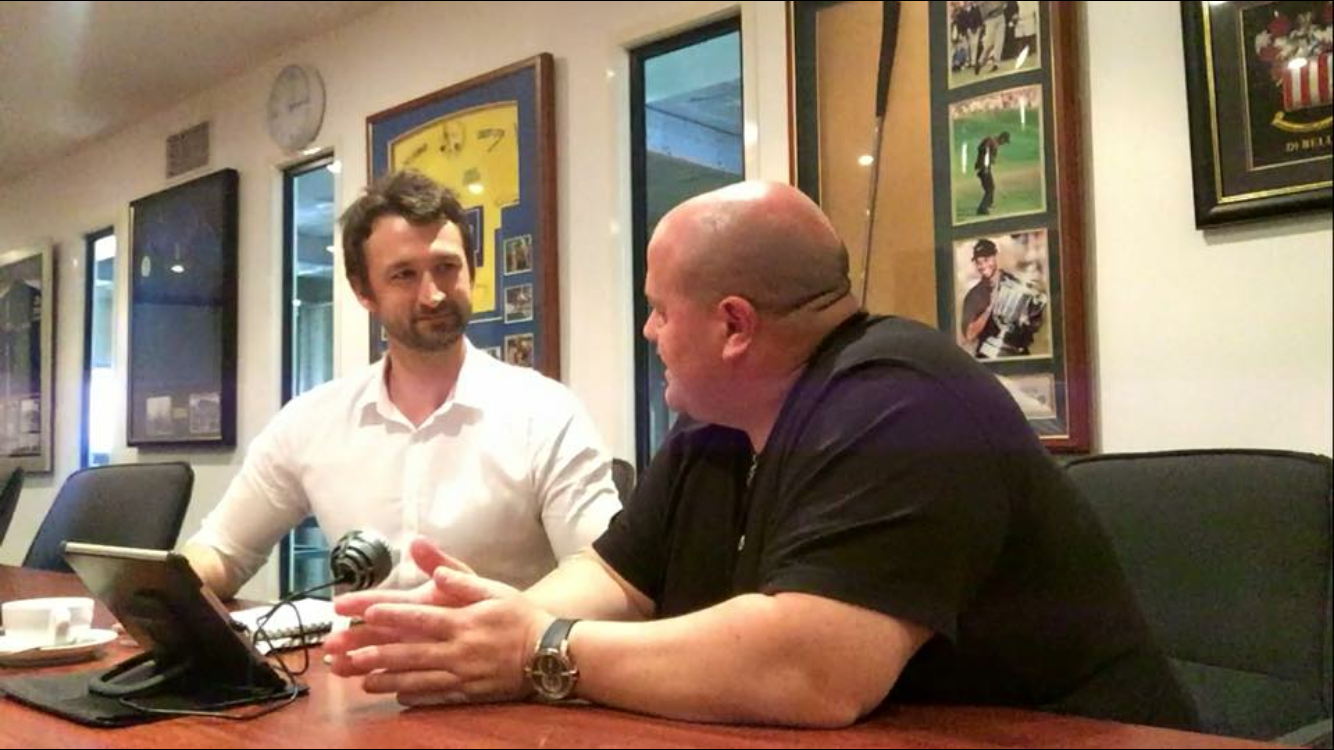
Tyrone Ho, from Redcat POS, has been in the business for quite some time, so he knows exactly what cafes and restaurants might want out of their point of sale. We talked with Tyrone about how a POS system can best serve the hospitality industry.

What are Your Needs?

First of all, Tyrone says, consider the needs and goals of your establishment. Are you a small hole-in-the-wall café, or do you own multiple locations? Would you prefer your POS system be an all-in-one deal or would you rather have different functions handled separately? Do you have plans to grow your business in the next year or so? Depending on how you answer these questions, you may want to invest a particular kind of POS system.

Invest in Good Hardware

Hospitality POS For Cafe

Tyrone advises café owners to avoid going for the cheap options. You want to invest in a good POS system up front, and that includes all the hardware. In the hospitality industry, where you’re making hundreds of transactions a day, you need some really robust hardware with touchscreens that can withstand a great deal of tapping and hammering. Sure, you can buy a touch-screen computer for a few hundred dollars at your local retailer, but these computers aren’t designed to be pressed a few hundred times a day for five years – or even three, for that matter. Good hardware will cost more, but it will last a lot longer, making the investment well worth it in the end.

Keep Your Connection Reliable

Another point to consider is the reliability of your Wi-Fi connection. Using tablet computers as your point-of-sale hardware are all the rage these days, but this setup won’t work for everyone. Using tablets, you end up relying a lot more on Wi-Fi and cloud storage, and this connection isn’t always stable. It may sound old-fashioned to recommend using a data cable for stable internet connectivity and computer monitors for your hardware. But the thing is, Tyrone notes, your hardware needs to be able to withstand a beating, and iPads don’t exactly hold up to snuff in that regard. And a secure internet connection will ensure that your system is always running smoothly.

However, that’s not to say tablet-based POS systems don’t have their place. If you’re a hole-in-the wall espresso bar that basically sells coffee and maybe five other items, these POS systems have all the functionality that you might need. They all can ring up orders, keep track of purchases throughout the day, and maybe even serve some accounting functions, as well.

Keep Your Data Secure

POS For CafePOS systems can do just about everything business-related these days. In addition to ringing up orders, they can handle your accounting and payroll functions, keep track of inventory, and even integrate a customer loyalty program. With all this data that your business generates on a daily basis, you need ways to back it all up. Traditionally, Tyrone says, there are two levels of data backup. The first level is located at the front of house, where the terminals are located, and backups are placed in between so if one goes out, the whole system doesn’t come crashing down.

The other level is at the back of house, where you have two options. You have it locally installed, where your backups would be stored on a PC or in-house server. Or, you can save it in the cloud. Unlike the traditional method, you can access these backups anywhere you have an internet connection.

Special recommendation: Start a Customer Loyalty Program

If you don’t have this already, Tyrone strongly recommends a customer loyalty program, which can also be integrated with a decent POS system. A long-term customer of his instituted a program where if you bought a lunch over a certain price, you’d get a free coffee. This paid off because often, the person who bought an expensive lunch to get that free coffee may also get a banana bread or muffin to go with it – adding further to his sales. You can also use these loyalty programs and apps to find out and cater to your target demographic. If you integrate it with your POS system, you can keep track of these data and adjust your promotions accordingly.

There are lots of possibilities with a good POS system, and you may find that the investment may be a money and time-saver in the long run. If you’re interested in learning more about Redcat, visit www.redcat.com.au or 1-300-4-REDCAT.

Tyrone’s Key Takeaways

  • When picking out a POS system, consider your business needs – different systems cater to different needs.
  • Pay for good hardware up-front, and you’ll be paying a lot less down the line.
  • When buying hardware, consider how robust it is, as well as its sales reporting and security functionality.
  • Also consider how you want to use your hardware – do you want it taking up counter space? Where do you want the cash drawer? Take these considerations into account for your interior design.
  • If you don’t have a very secure Wi-Fi connection, run a data cable through your system to ensure connectivity reliability.
  • Unless you’re a small establishment, an iPad-based system may not provide the functionality you need.
  • But if you want to institute mobile ordering, investing in an iPad or two will do you well.
  • If you want to access your business’s data anywhere, back it up with the cloud. Then you can pull it up wherever you have an internet connection.
  • Consider linking up a CCTV system with your POS system for added security for your cash tills.
  • If you haven’t already, set up a customer loyalty program – it’ll help attract customers, and integrated with a POS, cater to your target market.

cash register for cafe

Talking Tea with Danny Andrade

world tea brewing champion


In Australia, coffee is king, with cafes on almost every corner. Interest in tea, however, is growing. Danny Andrade, originally hailing from Brazil – itself a big coffee country – came to tea knowing hardly anything about it. Yet his transition to tea was so smooth, he recently won the World Tea Brewers championship. We spoke with Danny about his experience, how he got into the competitive tea-brewing world, and how tea compares to coffee.

The World Tea Brewers Championship

Training for the competition was not easy, Danny says. The world of tea has a wealth of different varietals and brewing methods, and the first test in the competition was blind. You need to have a solid knowledge of how different teas from different places compare to one another. In the end, Danny attributes his advancement to the second round as a spot of luck, as he was competing against others who had a much more extensive background in tea.

In the final round, however, Danny really shone, brewing a signature tea from three different varietals brewed separately, then infused with a bit of raw Brazilian honey. He also employed coffee-inspired methods, such as the use of a diffuser to add some extra aromatic ingredients such as orange peel. The result was a unique mix of flavours, and it clearly made a splash among the judges. Looking at photos from the competition, and hearing about all the steps that Danny took to brew the tea, the process seems like a science experiment.  Combining the right amount of ingredients at the right time, at the right temperature, is indeed a science.

Danny didn’t just go from knowing nothing about tea to becoming a world tea-brewing champion overnight. It took some extensive training and preparation before participating in his first competition. When it came to tasting, he trained daily, searching for the subtleties in sweetness, acidity, and aftertaste that differentiated one variety from another. It also took some time to put together the plan for the winning brew, with careful examination of the primary characteristics of certain varietals and deciding how best to combine them.

World tea brewing championshipsHow Tea Compares to Coffee

Many of Danny’s competitors hailed from China and Japan, countries with a rich and long-standing culture of tea. However, such a tea culture hasn’t really caught on in the West, where most people’s experience of tea is of dunking dusty tea bags into hot water. “We don’t know sometimes if it’s real tea,” Danny says. He argues that tea is actually much like coffee. Like coffee connoisseurs, tea experts discuss elevation, pH, microclimates, varietals, brewing methods, and other factors that help make the best cup of tea.

But tea is not exactly like coffee, and it’s not just in the part of the plant that’s harvested and brewed. The biggest difference? The age for the perfect tea. In the coffee world, a producer can wait five to ten years to get the best bean for a brew. In tea, however, that wait time extends to at least sixty years: an entire lifetime for a high-grade cup of tea! Danny has even made teas from century-old varietals such as Ya Shi Xiang.

Danny Andrade World Tea Brewing ChampionLearning More

Danny advises newcomers to the world of tea to forget about tea bags and start with tea leaves. This is how tea-drinking cultures consume tea, and it’s the best way to evaluate the quality of the tea. Your local supermarket is unlikely to house high-quality tea, so search for specialty shops and ethical sources. Better yet, get in touch with producers directly. But it’s not just about the tea leaves themselves. Discuss brewing methods, the water temperature, and the different tastes of different teas.

The next step, whether you’re a consumer or an owner of a café looking to branch out into tea, is to brew your own tea. Even with a high-quality varietal, it may take some time to brew the perfect cup, as tea brewing largely remains a manual process. Start with the recommended method, and feel free to experiment by adjusting temperature, the amount of tea brewed, or adding extra ingredients to infuse with it. And, if you’re interested in even more in-depth research, visit the countries where tea is a long-standing tradition to experience truly well-made tea and interact with experts.

Despite the fact that tea is one of the oldest continuously consumed products in the world, it remains largely unexplored territory in Australia. More and more people like Danny are discovering the immense possibilities of the drink and trying out some new things with it. And, thanks to the advent of the internet, the information is out there. It’s never too late, or too early, to embark on your own tea journey.

Danny can currently be found at 3Brothers Coffee, where he works as a relationship manager.

Danny’s Key Takeaways

  1. Want to develop your own taste buds? Train every day – sample the coffee, the tea, the food, and think carefully about how it tastes.
  2. Follow your own star, and your own instincts. Overthink a decision and you may lose a golden opportunity.
  3. Work out a good morning routine: drink water first thing in the morning, and try not to check your phone until an hour after waking up.
  4. If you want to learn more about tea, speak to people who are experts and experienced with the drink, whether you find them online or in-person.
  5. Everyone you meet has something to share with you. Listen to them, collaborate, and share knowledge.
  6. Whether it’s professional or personal, focus on building and maintaining strong relationships.
  7. The internet is an amazing tool, but be sure to take a step back sometimes and respect the moment.

world tea brewing champion

James Henderson Creating a customer service experience

James Henderson on How to Build a Better Hospitality Experience

James Henderson has added a lot of titles to his name: podcast host, hospitality innovator, consultant, speaker, and even accidental festival owner. He’s pretty much done it all in the hospitality industry, having worked in bars, restaurants, and hotels. On his podcast, Hospopreneurs, James has interviewed several big names in the industry, including Janine Allis and Phil DiBella. We talked to James about his full-circle experiences in the hospitality industry, from his time as a blender cleaner at Boost Juice to interviewing the founder on his podcast, and his tips for aspiring and struggling business owners.

Building a Better Hospitality Experience

Many bars, cafes and restaurants struggle: first with getting their name out there, then with building and maintaining customer loyalty. To start, focus on providing great products and great service. But it’s about more than just the food and drinks. Hospitality, James says, “engages all five senses.” It’s about the experience – visual, auditory, tactile, and olfactory – that the customer gets when they walk into an establishment. Whether it’s scent of Islay whiskey in a dark mahogany bar, or a bright café perfumed with herbal scents, the immediate sensory experience should attract customers, and tell them what your establishment is about.

The staff also helps complete the experience, for better, and for worse. Staff that welcome guests the moment they walk in, projecting an attitude of positivity and enthusiasm, will be passing it on to the customers. A lack of enthusiasm may do the opposite – or at least discourage any first-timers from visiting again.

Develop a Dedicated Staff

James has devised one simple method of testing his staff’s level of enthusiasm: high fives. If he offers up something as simple as a high five, and they can’t work up the energy to do more than a low five, it reveals to him that they’re not super committed to their role, and they probably don’t want to be there. If you’re not much of a high-fiver, you can develop your own simple metric to gauge individual dedication.

Not everyone, of course, comes into the job with the same level of enthusiasm. And, when things get busy or get tough, you need to keep up the morale so the staff can successfully manage. James suggests boosting morale by listening to staff, whether it’s their complaints, criticisms, or suggestions for solutions to a problem. Listening to staff and implementing their ideas empowers employees, making them feel like they have an influential role in the business. If they have an influential role, then they become more invested in the business’s success. Of course, this kind of advice goes well beyond hospitality, and can help make any business successful.

What Makes a Good Leader

James Henderson Creating a customer service experienceGood leaders aren’t just always learning – they’re also helping their staff learn and grow, too. Even if, in the end, a valuable staff member ends up leaving your establishment down the road. Help teach your staff how to work in a new role that would be the next step up in their careers, and find out what it is that they really want to do. “Your job as a manager,” James says, “Is to give people fulfilment in their career,” not to pigeonhole them into a certain role.

This sort of good leadership also helps create other leaders. Training staff for new roles, then training that staff to teach newcomers, creates a mutually beneficial cycle of teaching and learning that will continue throughout their careers. You also may learn a new thing or two yourself. James has always been open to learning something new, and that openness to new experiences will help make anyone become a great leader.

Hospitality and Technology

In addition to an interest in hospitality and music, James also has an interest in technology, dating back to his involvement in a start-up that developed a rewards app for bars. He sees exciting things happening in the hospitality industry as a result of this technology. The proliferation of data on both customers and venues will likely help enable both parties to really know what they’re getting into from the start. On the low-end side of hospitality, service is likely to get more efficient and automated to keep costs low and quality consistent.

Despite the trend towards automation, James doesn’t see the human side of hospitality going away anytime soon. “I think that the bespoke creative nature of the industry will remain intact,” James says, “And you’re going to get human-driven experiences that will be more valuable.” It will always be important for humans to connect with one another, even across transactional relationships like those at bars and restaurants. Great people are the secret sauce for any great experience.

The most important thing to know when entering the hospitality industry, according to James, is understanding people. ” You need to understand human behaviour,” he says. “And understand the industry enough so that you can predict what customers want before they ask for it.” That understanding and connection, even if it’s over a few seconds or minutes, will ultimately make the difference for the customer.

Check out James’s Hospopreneurs podcast, or contact him for audio production services to market your hospitality business.

James’s Key Takeaways

  1. Always be open to learning something new, and to new experiences.
  2. Listen to people – you’ll never learn and grow if you don’t listen.
  3. Check out Simon Sinek’s book, Start with Why – or at least his TED talk on the subject.
  4. Consider the entire experience, from beginning to end, from the food to the staff interaction, when making changes to your establishment.
  5. Empower your staff by listening to their feedback and suggestions for improving the business.
  6. As a manager, it’s your responsibility to help your staff progress in their careers and transition into new roles.
  7. No matter how busy your schedule is, always make sure to take time out of your day to relax and think about things.

James Henderson Creating a customer service experience

Keep It Simple: Justine Schofield on What She Looks for in a Good Restaurant

When starting a café or restaurant business, being able to stand out and attract customers is the most important thing you want to achieve. After all, if customers don’t come, you’ll have to close your business. But it’s not easy when customers have so many cafes and restaurants to choose from on a single city block alone.

You don’t necessarily have to attract a whole bunch of customers at once, however. As long as your product and service are good, your first few customers will tell the people they know how good it is, and more will come. If you’re lucky, you might also end up with a celebrity endorsement, which will surely boost your numbers. And what might a celebrity chef look for in a restaurant? We spoke with Justine Schofield, a former MasterChef contestant and host of the TV series Everyday Gourmet, to find out.

Whatever You Do, Do It Well

First and foremost, Justine says, make sure that whatever you decide to do, you do it well. She sees a lot of people these days opening up specialized restaurants with single offerings – such as an oyster bar that serves only oyster dishes, as well as fantastic food that’s often paired with oysters. If you do want to specialize in that single dish, it better be perfected beyond anything else that you could offer on the menu. If that dish is good enough, customers won’t care that you don’t have many items on the menu – in fact, they’ll come to you just to eat that one signature dish you have on offer.

Strive for Taste, not Picture-Perfection

With the proliferation of Instagram as a promotional tool for restaurants and cafes, it can be tempting to focus on how your food looks on camera. But your food can look fantastic and still taste horrible. Before it looks nice, Justine says, it’s got to taste nice. Eating out is about the experience and enjoyment of food, and if all that ends with the first bite, you’ve lost a customer.

It’s also fine if the food doesn’t look perfect. In fact. Justine doesn’t like it when a dish looks too perfect – such dishes can be overwrought and overthought. Good food doesn’t have to be fancy, or even just look fancy – as long as it tastes nice, the looks will follow. Sometimes, the simplest dishes are what win people over.


 Watch Food Trends

If you’re looking to start a new restaurant, or possibly expand your business, have a look at what’s going on around you. Globally, Justine says, many food trends tend to start in Los Angeles and New York, then make their way overseas. Currently, for instance, she sees a lot of ramen noodle bars popping up. This, among other food trends, are coming for Australia.

But Australia isn’t just a follower. It can be a leader in food trends as well. Restaurateurs come from all over the world to Melbourne to look into the breakfast trend. “No one does breakfast like Melbourne,” Justine says, and people bring it back home. Here especially, the food doesn’t need to be overcomplicated. All you need for a good breakfast place can be the best scrambled eggs and the most incredible bread. Again, if the food is good enough, even if it’s a small, simple menu, the customers will come.

Be Authentic and Relatable

Authenticity also attracts customers. These days, people want to feel comfortable and at home in a good restaurant. Justine’s own show – now entering its seventh season – reflects this trend, as she demonstrates recipes with ingredients you can find at just about any grocery store. Most people don’t necessarily want a rare specialty when they eat out – all they want is to eat some good food in good company. As opposed to being overly aspirational or polished, a sense of attainability and relatability will draw people to your doors and to your menu.

Having your restaurant stand out in an already crowded industry isn’t easy. But it doesn’t have to be so complicated, either. If you stay true to yourself and your menu, you’ll find the customers you want.

You can follow Justine Schofield on Facebook, Instagram, and Twitter under her name, Justine Schofield. If you want to learn more information about Justine and what she’s been up to, you can visit her website, justineschfield.com.au. Her latest book, Simple Every Day, is available wherever fine books are sold.


Justine’s Key Takeaways

  1. Listen to your mother – she might just have the best advice you can get.

  2. As Justine’s own mother told her, stay true to yourself.

  3. Don’t overthink how your food looks or your ingredients list – sometimes the simplest is the best.

  4. If you want to specialize in a particular dish, do it well.

  5. Before thinking about how your food looks on Instagram, perfect the taste first.

  6. Check out the book The Flavour Thesaurus if you’d like to experiment with your own recipes.

  7. If you want to do some simple, easy cooking at home, look for Justine’s book, Simple Every Day.

  8. Never underestimate a good set of scales.

  9. If you’re up for it, give the world what Justine says it’s missing: a decent Béarnaise sauce.


Business Essentials: What You Need to Know About Insuring Your Café or Restaurant

Cafe Insurance Company

They say that only two things are certain in life: death and taxes.  When it comes to doing business, we can add another item to the list: insurance. These days, it’s a necessary chore, but many business owners don’t find the topic very interesting or pleasant to talk about.

Contrary to popular belief, some insurance companies out there honestly do want to make things easier for their clients. One such company is WFI Insurance, and we spoke with regional manager Carley Byrnes, who focuses primarily on hospitality insurance for their office in Sydney, about how to navigate insurance.

Invest the Time and Research

Carley Byrnes cafe insurance Business owners in the hospitality industry often lead busy lives, and opening up a new business can be particularly stressful and time-consuming. So when it comes to insurance, most people just do it over the phone and want to get it over with as quickly as possible. Carley says this is not a good way to go about it. If you invest some time into research and money into a good policy right at the start, in the long run it may pay off – especially if you have to make an insurance claim in the future.

Most café owners don’t know much about insurance going in. And insurance isn’t the most exciting topic. But it’s necessary to review your coverage thoroughly so you know what incidents you can file claims for.

Establish Good Relationships

To establish a good relationship with your insurance company, get in contact early on, and connect with someone that will know your business. An insurer focused on hospitality, and a manager who knows your business in particular, will make things a lot easier for you in the long run.

Keep up with Business Growth

Many business owners in the hospitality industry also don’t keep up with their business growth. As your business grows, your insurance policy needs may change. Carley recommends reviewing your insurance policy when it comes time for the annual renewal, and speak with your insurance manager about whether you need to make any changes to your existing policy.

Get Fire Insurance…

You can cover your business for lots of different things, but Carley strongly recommends businesses to cover two main areas. Insurance for fire and weather-related disasters is a must – especially in the hospitality businesses, where kitchen fires are a known hazard. Fires also tend to put your business out of commission for days or even weeks on end, which can really affect your bottom line. Insuring for fires will better guarantee that you’ll be able to keep your business up and running long after the repairs are made.

…And Public Liability Insurance

The other category of claims Carley recommends covering for tend to be a bit complicated, and very messy if you find yourself not covered for it. Public liability insurance overs a wide range of accidents and incidents that your business could be held liable for. For restaurants and coffee shops in particular, where a lot of people come and go, accidents may happen, and in case someone sues for liability, coverage will come in handy.

Mind Your Neighbors

Why else is it important to have good insurance coverage? Well, unless your business completely stands on its own, anything that occurs in your business – especially fires or other such disasters – may affect your neighbors, as well. Places such as business complexes and shopping malls are keen to get things back up and running quickly, and good insurance can help ensure that.

Be Prepared

coffee shop insuranceShopping for a new policy can also be quite daunting for a new business owner in any industry. But searching for information these days is as easy as plugging search terms into Google, so go online and peruse the website. If it seems like a good fit, then ring them up for more information and a quote.

If you already have a policy, you can have that on hand to make it easier for comparison, and the area manager will make suggestions to improve and refine it. If you’re a new business, get as much paperwork as you can together in terms of what your expected turnover is, how many employees you think you’ll have, cost of your fit-out, and so on in order to get an accurate insurance estimate.

Keep Records

Record-keeping is essential to ensuring that you get good insurance. Take photos of your establishment to record what items you have inside just in case you do need to file a claim, and retain receipts of all the items you purchase. Many of us don’t always do this, but while it’s not terribly likely to happen, nothing is impossible. So it’s always best to be prepared, so that when you file a claim, you know exactly what to claim for.

If you want to learn more about WFI Insurance, visit wfi.com.au and find your area manager. You can also contact Carley directly if you have any questions or comments.

Carley’s Key Takeaways

  1. When speaking with an insurance representative, bring your paperwork – that way, you’re better prepared in case you have to make some changes.

  2. Find an insurance agent who knows your business and knows you, as well.  If you have a more personal connection with your insurer, you get more personal and prompt service, as well.

  3. Don’t rush into a policy – review your policy before you buy it.

  4. Take photos and video of your equipment and merchandise when you first sign up for insurance – that way you know what you have and the condition of everything well before you have to file a claim.

  5. Make sure you’re insured for fire and public liability – the two most common insurance incidences you’re likely to have.

  6. Insuring against machine breakdown is also a necessity for those in the hospitality industry – you don’t want to miss a beat just because something’s broken.

  7. Put in as much time and effort as possible into finding out what your insurer actually covers, so that in the long run, you’ll save money.

  8. Be mindful of your business neighbors – anything that affects your establishment may affect them, as well.

  9. Engage in risk management when setting up your business – putting preventative measures in place such as CCTV may help lower your premiums.

  10. As your business grows, evaluate your policy annually to see what coverage you need to add and drop.

All About the People: Jordan Toft on The Keys to a Successful Kitchen

Jordan Toft has been in the cooking business for a long time:  20 years, in fact. He got his start at the tender age of 15 working in the Sydney Opera House kitchen, and has been working as a chef ever since. He’s also lived on three continents, working in restaurants located in France, Italy, and the United States. Over the years and across his travels he’s learned several key things that have helped him bolster his career, and he spoke with Slammed Hospitality Talk to share some of these nuggets of wisdom.

When managing a kitchen, Jordan says, the most important thing to consider by far is relationships. In the hospitality industry, people are both the biggest assets and the hardest challenge. It’s not easy sometimes to keep the morale up in such a high-stress environment as a kitchen during the busiest hours of the day. But as we say, the hospitality industry is all about the people, so head chefs must lead by example and inspire their staff to do their best.

Fostering a sense of teamwork is paramount to boosting your restaurant’s success. Staff who feel like they’re a part of a team, and that they have some say-so in running things – whether they’re a sous chef, head chef or lowly line cook – will work better and give you their best effort. If everybody works better in the back of house, this will motivate the front of house, as well. And an overall better work experience will create a better customer experience.

These days, Jordan says, with so many flashy cooking competition shows, people might get the wrong idea about what it takes to be successful. Young people are not so much lazy as misunderstanding the amount of work it takes to achieve such levels of success. And unfortunately, many people can work hard for decades and not see the results they want.

Jordan advises young aspiring head chefs to take your time. Learn your craft – preferably for about ten years, as he did, focusing specifically on perfecting his cooking craft. He spent some time getting to know chefs that he respected, such as Peter Doyle, and learned as much as he could from them. He started young, so he could easily put concerns about money aside and focus purely on the craft of cooking. By his late 20s he was in a place where he could focus on climbing the ladder and striking out on his own.

As an older chef, he advises other veterans to give advice and guide young aspiring chefs so they can learn their craft and pass on their own industry knowledge. This is all a part of developing relationships with your staff so you have a healthy work environment. Hard work is necessary, of course, to achieve success as a restaurant, and costs can get high, but it’s important to remember that it’s not just about the money. It’s also about the craft and creativity that goes into making a great dish that people enjoy. Something as simple as pulling someone aside and telling them that they did a great job that day will help boost morale.

Of course, things will not always go so well, but Jordan only berates employees when they’ve done something wrong and underhanded – not when it’s an honest mistake. Gone are the days of employees enduring a boss’s tirade for hours on end and still showing up to work the next day. Now a good kitchen is run as a supportive environment to foster talent and teamwork.

Organization is also key to running a successful kitchen. If all the staff and equipment are running smoothly, then you can better concentrate on creating great product. Organization ranges from managing how the cool rooms are to labeling and shelving food items and keeping equipment clean and up to par. If any hiccups occur in the kitchen, the whole system can be thrown off, and focus shifts to getting the system right again – not a good use of the kitchen staff’s energy. Jordan burdens a lot of the organization upon himself, especially for scheduling purposes, taking a top-down approach so there’s a clear sense of responsibility and accountability.

It’s also important to keep in mind the creative side of food. Jordan specializes in running farm-to-table establishments, creating daily menus to reflect the availability and seasonality of the local food he was sourcing for the restaurant. The most successful restaurants in the business offer something a little more than just something to eat – a whole experience can often come packaged with it. Serve a great product, and the great experience will follow.

In the future, Jordan looks to open up another location of his restaurant, Coogee Pavilion, as well as focusing on his current ventures. If you want to keep up with what Jordan’s doing on social media, you can follow him on Twitter and Instagram at @jordanwtoft.

Jordan’s Ten Takeaways

  1. If you’re a young aspiring chef, take your time to learn the craft. The opportunities will easily follow.

  2. With kitchen staff in particular, building group morale is essential to run a successful kitchen.

  3. Building relationships is key in the restaurant business – with customers, staff, and farmers if you source your ingredients directly.

  4. Good organization will allow you to focus solely on the product.

  5. Veteran chefs take note: just as young chefs should seek guidance and advice, you should be willing to give it.

  6. Keep your menu balanced between your signatures and your mainstays to manage costs and keep prices reasonable for your particular restaurant tier.

  7. Make sure you focus on your product – if the food’s not great, people won’t come back to your restaurant.

  8. Young chefs should also keep in mind that it takes a lot of hard work to reach a certain level of success, and be prepared to put that work in. In the end, it’s all up to you, what you make of your career and success.

  9. Even as a chef, consider the guest experience as well. Keep in mind that there’s no strict dividing line between the front of house and back of house.

  10. Though creativity and craft will help you stand out, don’t lose sight of the numbers – you can have the most creative dishes around, but if you can’t recoup costs, your restaurant won’t last long.


world latte art champion podcast

Some would say that making the perfect cup of coffee is an art. As a matter of fact, there is an actual art to making coffee – latte art, that is. Using coffee as a canvas, latte artists make up a special breed of barista. Every year, competitions are held in Australia and around the world to showcase the best in this unique field. I sat down with the 2015 Australian and world champion, Caleb Cha, about his start in the field and his success.


Caleb didn’t start out with a passion for coffee. But once he arrived in Melbourne and took a job at a coffee shop, he started learning the art of extracting coffee. The more he learned, the more his passion grew. Eventually, he expressed that passion through latte art.


Melissa Caia, a teacher at the William Angliss Institute, first introduced Caleb to the art of latte design. One of his bosses also encouraged him to pursue this intricate artistic endeavor. He showed Caleb a particular pattern, and asked if he was able to do it. After a few tries, Caleb managed to produce the pattern, which turned out to be the 2008 world latte art champion’s winning design. Noticing Caleb’s talent, his boss urged him to start competing himself. That set Caleb down the road of learning and practicing latte art.

Caleb Cha interview

Even with all the hard work he had put into developing his skills, Caleb confesses that he still couldn’t believe that he had won the 2015 world championship. It hadn’t even been two years since he got into latte art. But over the course of seven weeks leading up to the championship, he worked on 14,000 cups of coffee. That’s a lot of coffee.


Caleb emphasizes the importance of staying calm. It takes a lot of focus and finesse to create award-winning latte art. But it can also get very frustrating. If you get frustrated while working, you might end up making more mistakes. Keeping calm while you’re at work will ensure that you maintain a steady hand and your art comes out the way you want it.


Working with such an evanescent art form, you should take photos of your work. Even when you’re just starting out, taking photos will help document your progress and can serve as a confidence booster. Sometimes Caleb admits that he would like to delete photos of his previous work, but he keeps them up as a testament to the progress he’s made.


If you want to get into latte art yourself, Caleb advises to first focus on controlling your hand movement all the way down to the joints. Considering how delicate latte art is, working on your fine motor skills is the most fundamental part of perfecting latte art. You can first practice with the simple designs of monk’s heads and hearts.

Latte Art Lessons Adelaide

Once you’ve got a handle on those, you can start moving on to rosettas, tulips, and other more complex designs. Each type of latte art design requires various different motions and hand movements. For instance, a wiggling motion will help you make the perfect rosetta. Different angles and the size of the cup will also affect the designs that you can do.


Caleb claims that most of the different kinds of milks don’t affect his technique, with the exception of soy and almond milk. He finds these milks to be the most difficult to pour when working on latte art. But he’s managed to find a technique that allows him to work with these milks. He advises to steam soy milk for less time and to wait for ten seconds before swirling it and using it in your art. That way, it will be almost like working with whole milk.


All of this Caleb has learned on his own. Though he turned out just fine, he admits it would have been nice to have someone to really help him learn this very intricate skill. As a self-taught latte artist, he admits that he might’ve been able to progress much more quickly if he had had a mentor early on.


But the most important takeaway for Caleb? Don’t give up on something once you’ve started it. Even when things got difficult, Caleb told himself, it’s too early to stop. To this day he has yet to start something without seeing it through to the end.


Just as it is with any skill, latte art takes patience and practice. Whether you want to be a world champion or just have your lattes look nice, anyone can make great latte art. Who knows? You could even go from novice to world champion in the space of two years. With motivation and dedication, Caleb says, anything is possible.


You can find Caleb on Facebook under the name Caleb Tiger Cha, and on Instagram as @CalebTiger. You’ll see photos of his most recent work as well as receive updates on his whereabouts, workshops and events.


Caleb Cha’s Ten Takeaways


  1. Be humble, reliable, and responsible.

  2. If you want to get into latte art, or really any aspect of the coffee industry, find someone who can give you good advice.

  3. If you want to work on achieving something, there’s no better time than now.

  4. Read as much as you can about the coffee industry – the ASCA website is a good place to start.

  5. When working on latte art, stay calm and keep your frustrations in check.

  6. Controlling your hand movements and perfecting your fine motor skills will help you make great latte art.

  7. If you’re a café owner, you can motivate and encourage talented and interested employees into pursuing latte art. It may help bolster employees’ skills and your business as well.

  8. No matter the milk or machine, great latte art is possible with the right techniques.

  9. If at first you don’t succeed, try and try again.

  10. Once you start something, don’t give up until you see it through.


Caleb Cha Latte Art Class Adelaide


Working with food doesn’t always necessitate a busy schedule, but Zoe Bingley Pullin is one of Australia’s busiest health food gurus. Hosting a healthy eating program called Falling in Love with Food, Zoe coaches thousands on how to cook, eat, and live healthy. In addition to her work as a healthy eating coach and cooking show host, Zoe also works as a consultant for the hospitality industry and as a wife and mother for her family.

While this busy schedule isn’t unusual for many working in the hospitality industry, Zoe manages to practice what she preaches in her healthy eating program. She and her family manage, for the most part, to adhere to a healthy lifestyle. I spoke with Zoe to discuss her work and her advice for café and restaurant owners about how to maintain a healthy lifestyle.

While some specifications for the basic food groups have changed, the conventional wisdom of what a healthy diet consists of – mostly whole, unprocessed foods – hasn’t. However, in the modern world, it’s become harder than ever for some people to have a healthy diet. Especially among those in the hospitality industry, long, irregular hours can often have us reaching for the nearest snack – no matter the nutritional value – once we can catch a break.

Incredibly, Zoe has managed to juggle her work and family responsibilities and still eat healthy, and refrain from overindulging in coffee, alcohol, and chocolate. However, when she started out in the industry, working for a catering company and often keeping late hours – sometimes not finishing until three in the morning – she would turn to these unhealthy options for nourishment more often than not. It took some years of focusing on her own lifestyle and working on healthy eating that got her to change her habits. So, it’s important to note that any changes you want to make in your diet will take time and hard work.

First and foremost, Zoe advises to drink plenty of water. Workers in the hospitality industry are often doing a lot of running around, so it can be easy to forget to hydrate on a regular basis. It sounds simple enough, but even a little bit of dehydration affects your feelings of hunger and thirst, and your energy levels. Not drinking enough water can also affect your body’s ability to rid itself of toxins, which could make you feel even more tired, continuing the cycle. One easy fix for this problem is to have a bottle of water sitting on your bedside table and drink it all first thing in the morning when you wake up and before you’re out the door. If you don’t like to drink plain water first thing in the morning, Zoe recommends putting a little bit of lemon in it for taste.

It may also be difficult to eat regularly when you’re working a busy shift, and when your schedule may vary wildly from day to day. But normally you do know your schedule at least one day ahead of time. Zoe recommends to take a look at your schedule and see how much time you’ll have to take a break and eat. If you don’t think you’ll be able to eat for, say, five hours, while on a shift, have a high-protein, high-fat meal before that period. These nutrients provide slow-releasing energy, which will better sustain you over those five hours than a bowl of pasta.

Having healthy snack foods on hand will also help steer you away from unhealthy choices when you do have time to eat. Nuts, chopped-up fruits and vegetables, dried fruit, organic popcorn, and other such snacks fit right at home in a diet primarily consisting of whole, unprocessed foods. They will give you the bit of energy boost you need in between meals without the sugar, salt, and caffeine content of other options. Those options may seem more appealing at the spur of the moment, but in the long run they’ll run you down.

Finally, Zoe advises people who want to eat healthier to not beat themselves up over it. Not everyone eats healthy all the time, and it’s okay to indulge in McDonald’s or an extra cup of coffee once in a while. Getting out of the mindset that a single day of indulgence negates all the healthy choices you’d made prior to that will nurture a healthier relationship with food: that of pleasure and nourishment. After all, many of us in the hospitality industry love food – and it’s important not to lose touch with that.

Eating healthy is not easy, especially when you work in the hospitality industry. Fortunately, with just a few minor lifestyle tweaks, you can live a healthier lifestyle and keep on going with your business. You can find more information about Zoe’s work, and her Falling in Love with Food program, on her website.

Zoe’s Ten Takeaways

  1. Drink a bottle of water first thing in the morning before you start your day.

  2. Eat high-protein, high-fat meals when about to work a long day

  3. Always keep healthy snacks such as nuts, dried fruits, and veggies on hand so you’re not reaching for the crackers and chips when it’s time for a snack.

  4. It’s pretty easy to follow the 5 day/2 day philosophy – as long as you’re eating healthy most of the week, you can indulge in unhealthy but tasty meals and snacks once in a while.

  5. But if you can’t keep it up, don’t sweat the small stuff.

  6. Keep in mind that mental health is important, too – consult an expert if you feel you need help.

  7. When it comes to serving up meals in your own café or restaurant, there’s no need to overwhelm with choices or variety – just a half dozen or so tasty but wholesome, simple options can suffice

  8. If you want to open a health-focused establishment, be prepared to put the hard work in and find your niche.

  9. To make your kids’ menu healthier, it can be as easy as substituting regular chips in favour of sweet potato chips in fish fingers and chips, or zucchini pasta for wheat pasta.

  10. Zoe recommends reading the book Good Calorie, Bad Calorie if you want to learn more about the changing science around healthy eating.


If you haven’t heard of Damian Griffiths, you may have heard of one of the restaurants his company owns: Alfred & Constance, Les Bubbles, Alfredo’s, or Doughnut Time might ring a bell. Doughnut Time, especially, has become a veritable phenomenon since opening in 2015. In the 21 months after the first shop opened, Doughnut Time has expanded to 27 outlets across four cities. I sat down with Damian to discuss Doughnut Time, as well as the challenges of the hospitality industry, and his plans for the future.

The concept for Doughnut Time, Damian says, came from an existing bakery concept, where doughnuts were selling out daily. These doughnuts were made by hand, and continue to be made this way. The look and feel of artisanal craftsmanship is even reflected in the shops, with a sort of rough-around-the-edges appearance. Damian says that these days, it’s about more than just the product. All the other factors – the team behind the product, the marketing, the branding, and even site location – come into play when selling a food and beverage concept.


Damien Griffiths

When it comes to developing and marketing a brand, social media plays a huge role. An Instagram-able product, such as the doughnuts of Doughnut Time, makes the path to success a whole lot easier. An active social media presence helps create a sense of relatability, as many people use social media extensively. For Damian, keeping the product relatable to customers played a part in the success of Doughnut Time.

With such huge growth in a short of time – opening an average of 1 to 2 shops a month – Damian admits there were challenges to maintaining the integrity of the brand and product. Keeping the product consistent with the idea of artisanal craftsmanship was difficult to coordinate across so many sites. Ensuring that everyone gets the same product is easy with machines, but it’s not so easy when the product is handcrafted by humans. Doughnut Time managed to pull it off and has proven to be a massive success from Brisbane to Melbourne and everywhere in between.

While Doughnut Time has been hugely successful, there’s really no telling exactly which food and beverage concepts will take off. Damian says that at some point, you’ve got to have a little bit of faith. Things can be overthought, to the point that you can discourage yourself from going forward with your idea. But that’s not to say you can’t test an idea before going all the way with it. Doughnut Time itself started out in a bakery, and Damian looked at the success of the product and took a leap of faith that the product could do well all on its own. Customers are always looking for something new and fresh, and artisanal doughnuts happened to fulfil those criteria.

damien griffiths doughnut time

When it comes to finding new “star” employees, Damian says the process is easiest when the business is growing. People love to be part of a business that’s up and coming, where opportunities are ever expanding. Damian’s CFO had started out on the night shift for the Limes Hotel. As the business grew, so did her opportunities, and she was brought up through the company. Damian finds it much harder to find new talent when the business is matured and maintenance, rather than growth, is the main goal.

The hospitality industry can be a challenging place to work in, not least because of the odd hours that can run late into the night. Because of these unique challenges, Damian says it’s important to create a sort of familiar culture. If employees feel like family, they’ll be more likely to keep coming back to work putting in their best effort.

Transparency is also important in hospitality. If a customer has a problem, they won’t hesitate to write about it on the internet. Damian finds it extremely important to address customer concerns on the spot as soon as possible. He adheres to this philosophy in all aspects of business, always responding to messages in a timely manner. When it comes to irate customers, Damian says, often they just want to be heard. Sometimes lending an ear is all you need to do.

ac-2015-c-florian-groehn-39

So what’s next for Doughnut Time? There may be an overseas expansion to Japan, once the many logistical hurdles are cleared. But Doughnut Time is not Damian’s only focus – with the Alfred and Constance group, he plans to continue working with the other concepts and even develop some new ones, in the years to come. With hard work, ingenuity, and a little bit of faith, Damian is sure to continue finding success.

You can follow Damian Griffiths on Instagram @damian_griffiths, and Doughnut Time @doughtnut_time. For locations and other information, visit http://www.doughnuttime.com.au.

Damian’s Key Takeaways

  1. These days, it takes more than just a good product to succeed – you’ve got to develop ambience, and a branding and marketing strategy, as well.

  2. A social media presence – especially if you’ve got an Instagram-able product – is a must.

  3. Respond to customer’s complaints as soon as they arise, if possible.

  4. Don’t take criticism too personally, but take it seriously.

  5. Maintain transparency about your business with customers and staff.

  6. Hiring from within can help retain the best talent and boost employee loyalty to the business.

  7. A friendly, familial work environment will also help keep the ship running smoothly.

  8. Damian recommends personal hero Danny Meyer’s book, Setting the Table, which you can find here: https://www.amazon.com/Setting-Table-Transforming-Hospitality-Business/dp/0060742763

  9. When expanding your business, keep consistency in mind: once your brand is out there, people expect certain things from it.

  10. Finally, take that leap of faith – nothing is ever guaranteed to succeed, but if you’ll never know unless you take the chance.

    Damian Griffiths Doughnut Time

Great food and superb service are key ingredients to success for anyone in the hospitality industry. But the design and ambiance of a space also contribute to success. Graham Charbonneau and Dave Bickmore, the guys in charge of design firm Studio Gram, have won many awards after, including the eat drink design awards and the international bar and restaurant design awards. Every design that Studio Gram puts out is different, based on their own client’s story and preferences.

Photographer – Jonathan VDK

Photographer – Jonathan VDK

One of the most important things Graham and Dave consider when designing a café is the story that the café owner wants to tell. In fact, their favourite projects are venues that have a unique and compelling story. For one of their clients, Africola, they designed the venue to reflect owner Duncan Welgemoed’s diverse background.

The design of a café or restaurant can also offer a distinct sense of place. An Italian restaurant and a French bistro, while both fine eating establishments, don’t evoke the same environment. Food is a large part of travel and experience of a place. Dave and Graham also have a passion for travel and often take food’s cultural connection to place and incorporate it in their designs.

The spaces that Studio Gram designs never come off as inauthentic, which plagues loads of restaurant venues these days. David and Graham say that often the sense of inauthenticity comes from the details. Everything, from the choice of furniture to the saucers and forks, contributes to the ambiance of a restaurant. Graham and Dave, meticulous blokes they are, don’t hesitate to point out which small details come off wrong.

Photographer – Jonathan VDK

Photographer – Jonathan VDK

Usually, Graham and Dave start off by meeting with the client and checking out the space in question. A thorough discussion of what the client wants gives them a good starting point to brainstorm design ideas. Then they move on to the traditional design stages: concept design, design development, and then documentation, in which they do the actual drawings. Afterwards it goes into the building phase, and the concept starts becoming a reality.

The process often takes about three months, as clients usually have a three-month rent-free period that they want to take advantage of. Their quickest project, from site inspection to opening day, was Cranky Fins in Palm Beach, at seven and a half weeks.

The idea of employing a designer for their café or restaurant business may be a new idea for café owners. Graham and Dave have plenty of suggestions for what to do – and what not to do – when working with a designer.

Communication is one of the most important components of a great working relationship. Clients who understand what they want, and communicate their wishes clearly, are the easiest to work with. If they don’t, there can be some misunderstandings and loss of valuable time and productivity. When consulting with your own designer, be clear about what you want.

Photographer David Sievers

Photographer David Sievers

Trust is also important when working with a designer. One of the hardest things to do as a business owner, Graham says, is giving that control away and trusting someone else to do the job right. But one also learns that as a business owner you can’t be in control of everything at all times. Find a designer whose work you like and whose reputation you trust. There may be disagreements, but to a certain extent you’ve got to have trust in your designer’s opinion and abilities.

These days, the look of a place is everything: its instagramability, so to speak. Here, Graham and Dave remain on the cutting edge, designing some of the most instagramable spaces in the industry. Instagram has become so quintessential to the promotion of their brand and business that, Graham says, it’s become more important than having a website.

The ability to reach thousands of followers instantly can have a bigger impact on promotion than linking them to a website. You don’t even need to have a traditional brick and mortar café to garner a following – have an Instagram account and a pop-up shop, like Abbots and Kinney’s, and you’re in business.

Photographer – Jason Lucas

Photographer – Jason Lucas

Dave and Graham have been quite busy since starting up Studio Gram, and there’s no rest in sight. Next in the works are some projects with restaurants, wineries, and even some hotels. They also acknowledge that other designers are doing great work, and it’s up to you to find the best for your business. With clear vision and communication, you and your designer can also create something great.

Photographer – David Sievers

Photographer – David Sievers

You can check out Studio Gram’s website, http://studio-gram.com.au, or their Instagram, @studio_gram, for more.


Dave and Graham’s Ten Takeaways

  1. Communication is key – know what you want and be clear about what you want from your designer.
  2. Have trust in your designer.  If you’ve hired wisely, you can trust that he or she will make the right choices for your venue.
  3. Though if you disagree about something with your designer, don’t hesitate to let him or her know. Again, communication is key.
  4. Open an Instagram account for your business. Instagram these days can even be more essential to building a following than a website.
  5. If you’re interested in design, check out design blogs locally and around the world.
  6. For designers: if your work is polarizing, you’re doing something right.
  7. Consider the story of your venue – what do you want to convey to the customers?
  8. Also consider what sort of place you want your customers to go to. What sort of Italian restaurant, for example, do you want to evoke?
  9. Even the smallest details are important when creating a certain ambiance.
  10. As David’s dad says, measure twice, cut once. Be thorough before you make the final decision.