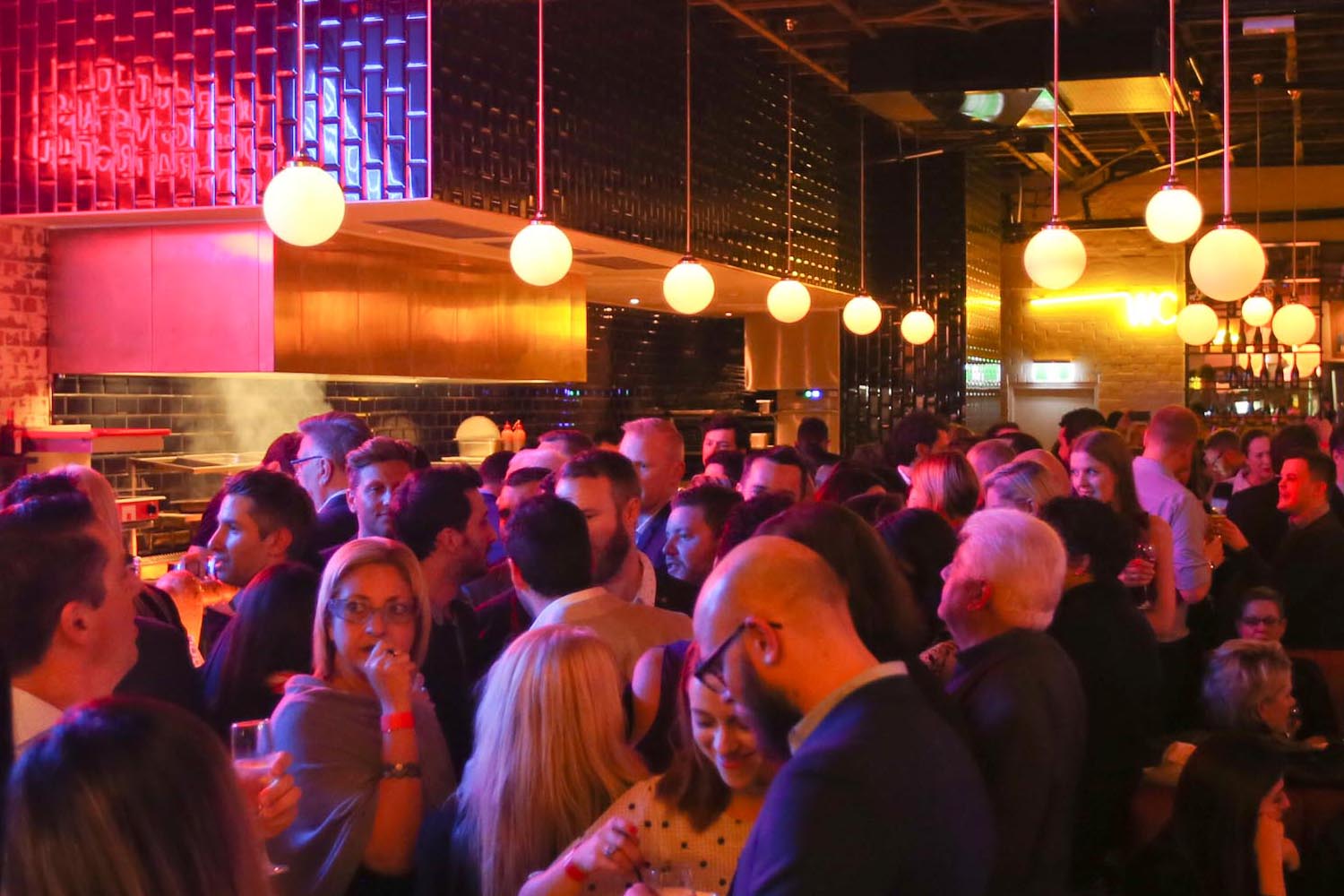
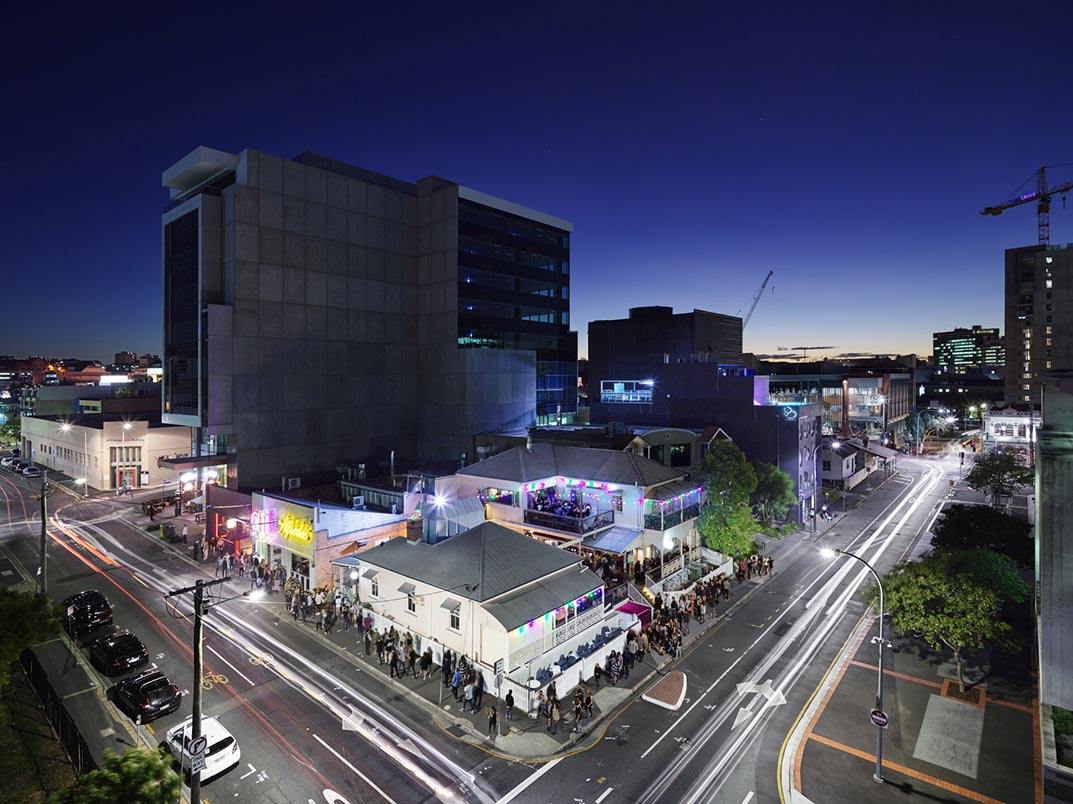
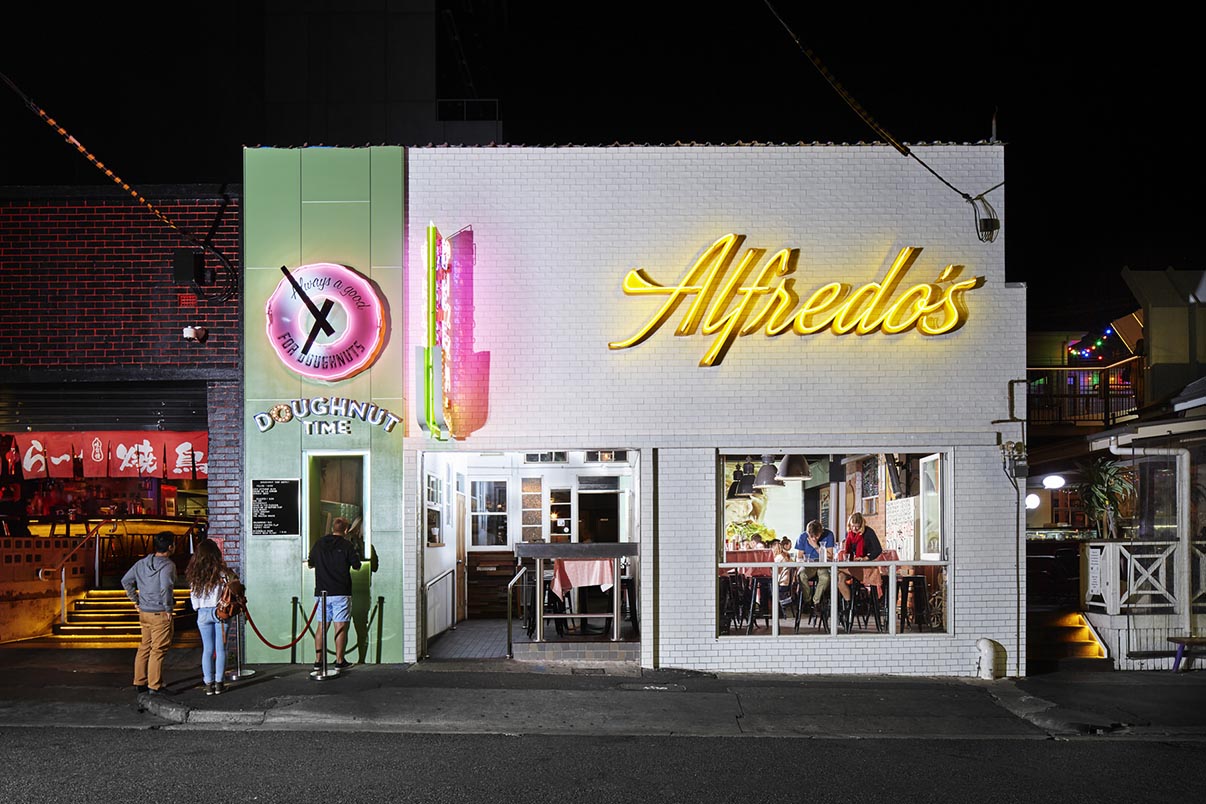
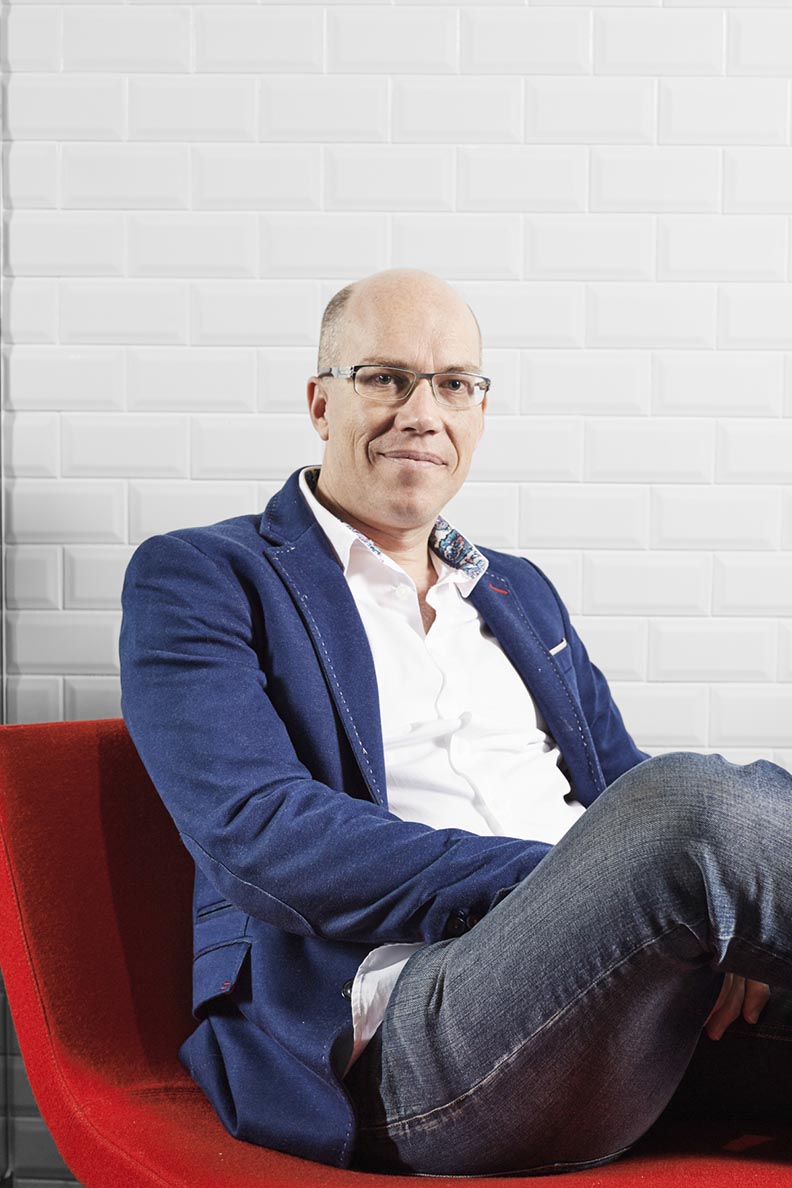
If you haven’t heard of Damian Griffiths, you may have heard of one of the restaurants his company owns: Alfred & Constance, Les Bubbles, Alfredo’s, or Doughnut Time might ring a bell. Doughnut Time, especially, has become a veritable phenomenon since opening in 2015. In the 21 months after the first shop opened, Doughnut Time has expanded to 27 outlets across four cities. I sat down with Damian to discuss Doughnut Time, as well as the challenges of the hospitality industry, and his plans for the future.

The concept for Doughnut Time, Damian says, came from an existing bakery concept, where doughnuts were selling out daily. These doughnuts were made by hand, and continue to be made this way. The look and feel of artisanal craftsmanship is even reflected in the shops, with a sort of rough-around-the-edges appearance. Damian says that these days, it’s about more than just the product. All the other factors – the team behind the product, the marketing, the branding, and even site location – come into play when selling a food and beverage concept.

Damien Griffiths

When it comes to developing and marketing a brand, social media plays a huge role. An Instagram-able product, such as the doughnuts of Doughnut Time, makes the path to success a whole lot easier. An active social media presence helps create a sense of relatability, as many people use social media extensively. For Damian, keeping the product relatable to customers played a part in the success of Doughnut Time.

With such huge growth in a short of time – opening an average of 1 to 2 shops a month – Damian admits there were challenges to maintaining the integrity of the brand and product. Keeping the product consistent with the idea of artisanal craftsmanship was difficult to coordinate across so many sites. Ensuring that everyone gets the same product is easy with machines, but it’s not so easy when the product is handcrafted by humans. Doughnut Time managed to pull it off and has proven to be a massive success from Brisbane to Melbourne and everywhere in between.

While Doughnut Time has been hugely successful, there’s really no telling exactly which food and beverage concepts will take off. Damian says that at some point, you’ve got to have a little bit of faith. Things can be overthought, to the point that you can discourage yourself from going forward with your idea. But that’s not to say you can’t test an idea before going all the way with it. Doughnut Time itself started out in a bakery, and Damian looked at the success of the product and took a leap of faith that the product could do well all on its own. Customers are always looking for something new and fresh, and artisanal doughnuts happened to fulfil those criteria.
damien griffiths doughnut time

When it comes to finding new “star” employees, Damian says the process is easiest when the business is growing. People love to be part of a business that’s up and coming, where opportunities are ever expanding. Damian’s CFO had started out on the night shift for the Limes Hotel. As the business grew, so did her opportunities, and she was brought up through the company. Damian finds it much harder to find new talent when the business is matured and maintenance, rather than growth, is the main goal.

The hospitality industry can be a challenging place to work in, not least because of the odd hours that can run late into the night. Because of these unique challenges, Damian says it’s important to create a sort of familiar culture. If employees feel like family, they’ll be more likely to keep coming back to work putting in their best effort.

Transparency is also important in hospitality. If a customer has a problem, they won’t hesitate to write about it on the internet. Damian finds it extremely important to address customer concerns on the spot as soon as possible. He adheres to this philosophy in all aspects of business, always responding to messages in a timely manner. When it comes to irate customers, Damian says, often they just want to be heard. Sometimes lending an ear is all you need to do.
ac-2015-c-florian-groehn-39

So what’s next for Doughnut Time? There may be an overseas expansion to Japan, once the many logistical hurdles are cleared. But Doughnut Time is not Damian’s only focus – with the Alfred and Constance group, he plans to continue working with the other concepts and even develop some new ones, in the years to come. With hard work, ingenuity, and a little bit of faith, Damian is sure to continue finding success.

You can follow Damian Griffiths on Instagram @damian_griffiths, and Doughnut Time @doughtnut_time. For locations and other information, visit http://www.doughnuttime.com.au.

Damian’s Key Takeaways

  1. These days, it takes more than just a good product to succeed – you’ve got to develop ambience, and a branding and marketing strategy, as well.

  2. A social media presence – especially if you’ve got an Instagram-able product – is a must.

  3. Respond to customer’s complaints as soon as they arise, if possible.

  4. Don’t take criticism too personally, but take it seriously.

  5. Maintain transparency about your business with customers and staff.

  6. Hiring from within can help retain the best talent and boost employee loyalty to the business.

  7. A friendly, familial work environment will also help keep the ship running smoothly.

  8. Damian recommends personal hero Danny Meyer’s book, Setting the Table, which you can find here: https://www.amazon.com/Setting-Table-Transforming-Hospitality-Business/dp/0060742763

  9. When expanding your business, keep consistency in mind: once your brand is out there, people expect certain things from it.

  10. Finally, take that leap of faith – nothing is ever guaranteed to succeed, but if you’ll never know unless you take the chance.
    Damian Griffiths Doughnut Time

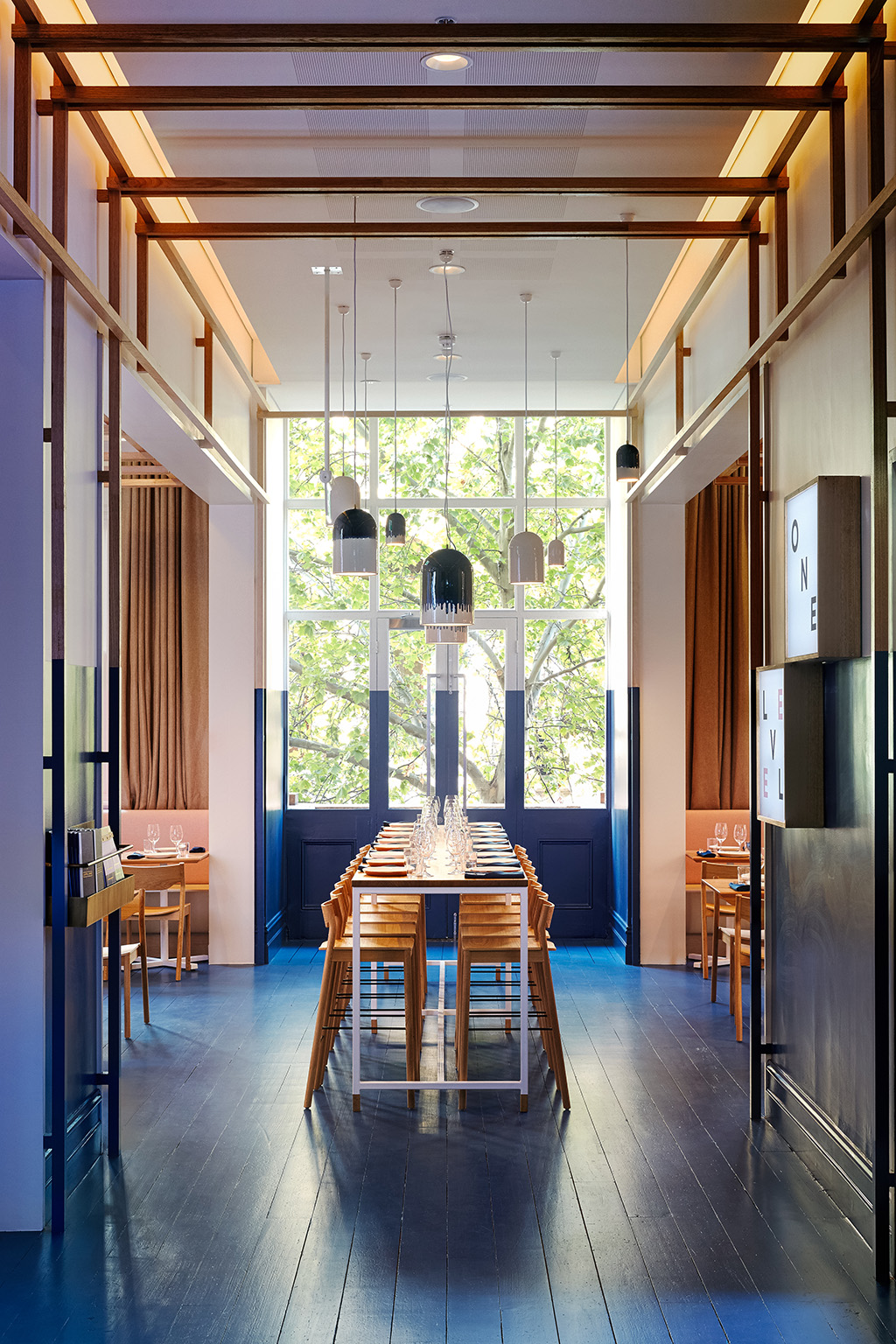
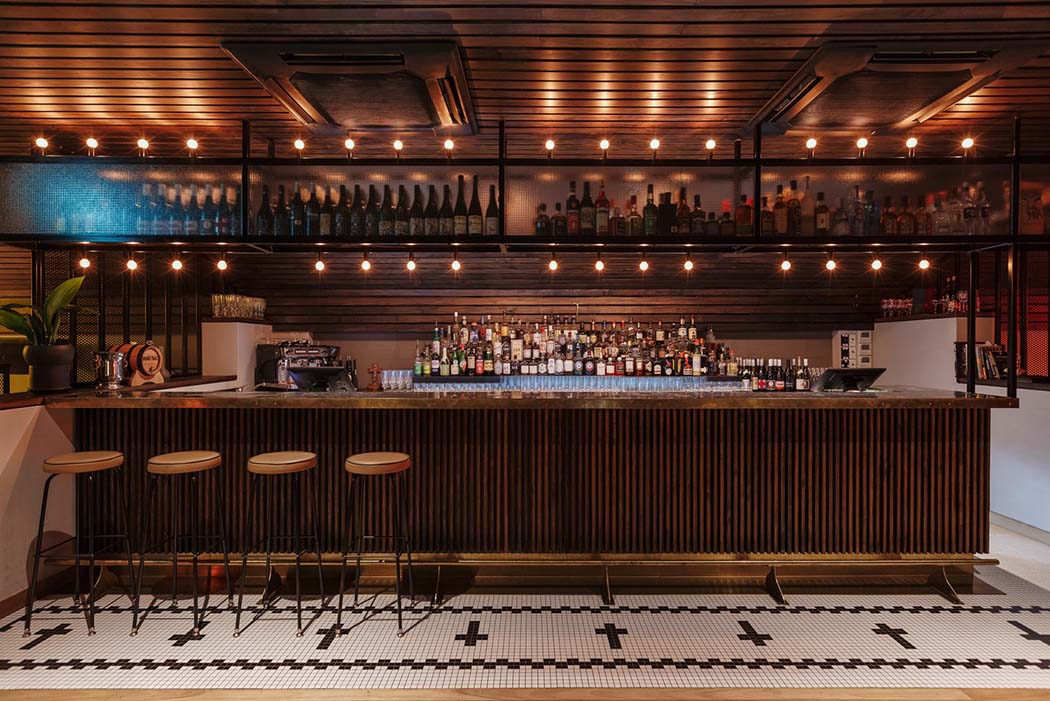
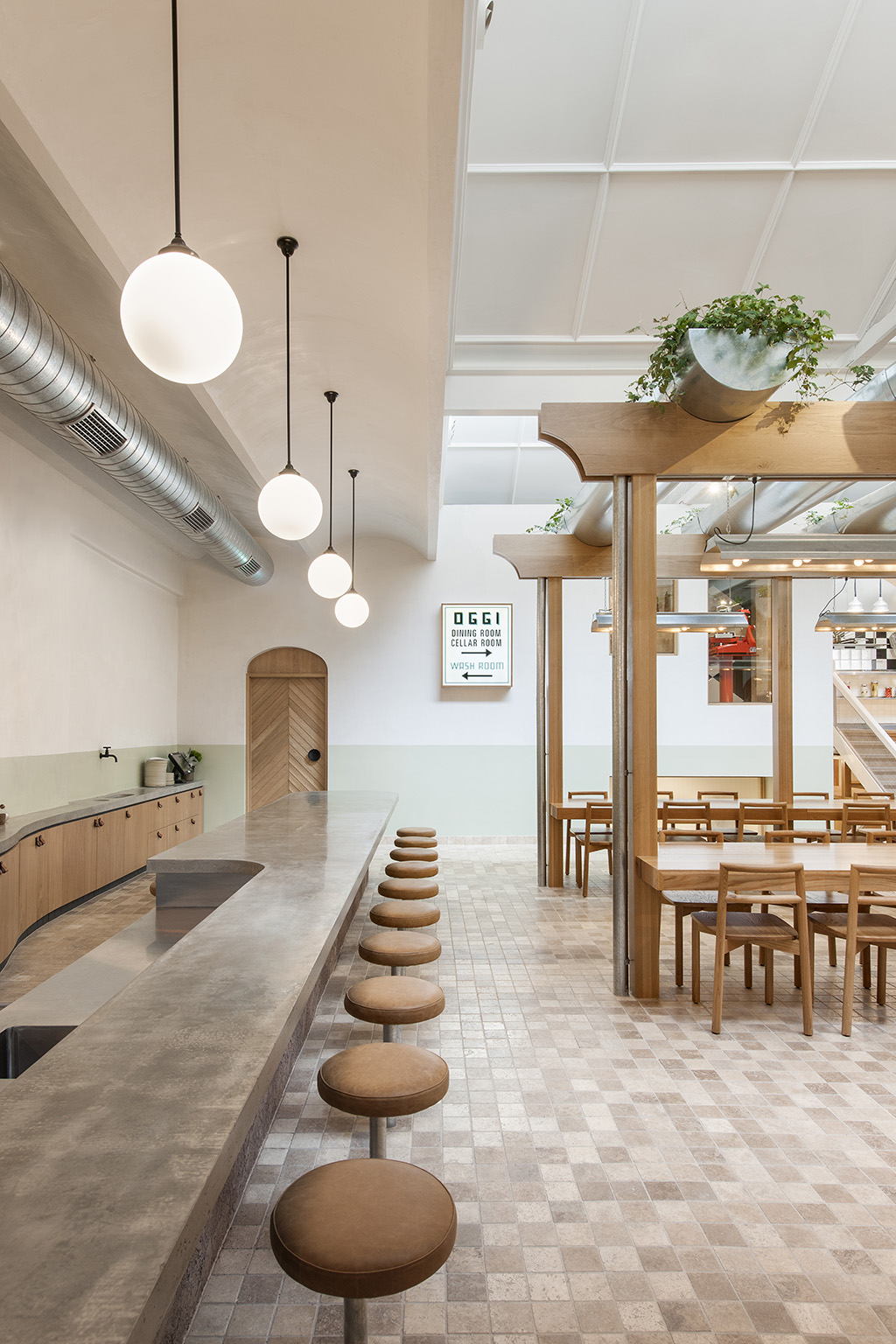
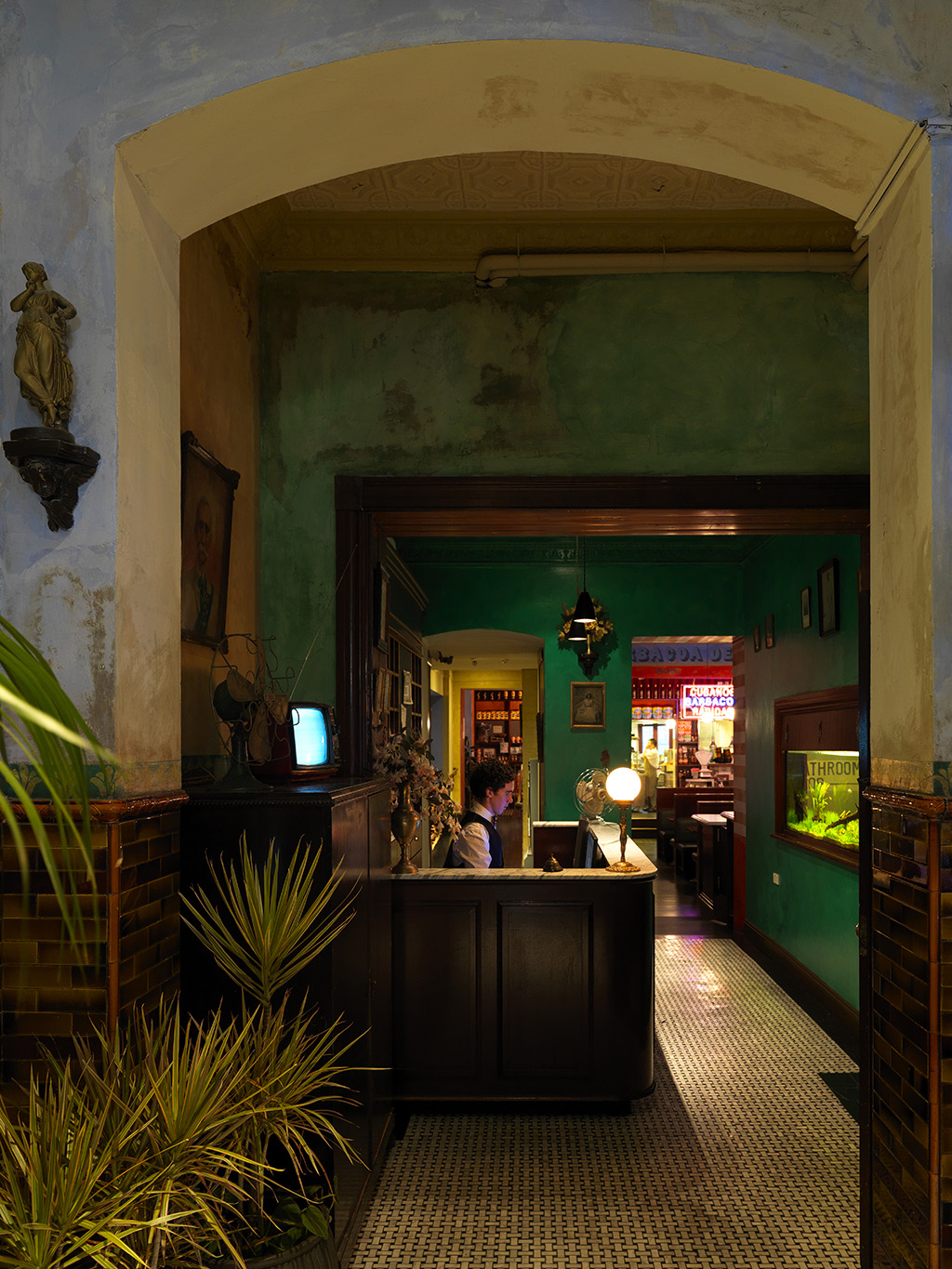
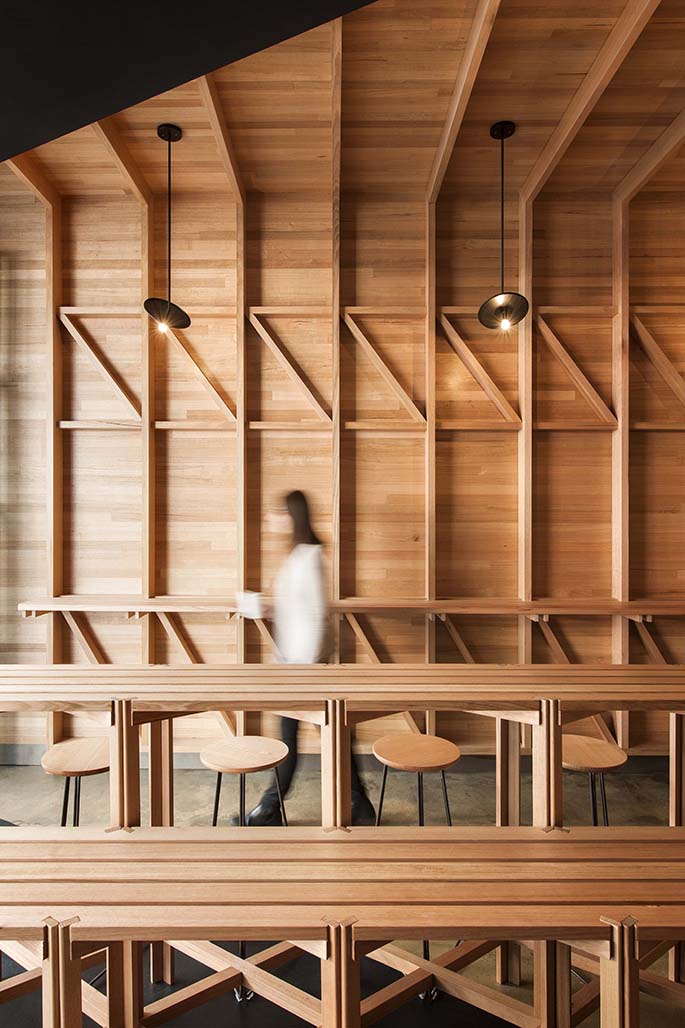
Great food and superb service are key ingredients to success for anyone in the hospitality industry. But the design and ambiance of a space also contribute to success. Graham Charbonneau and Dave Bickmore, the guys in charge of design firm Studio Gram, have won many awards after, including the eat drink design awards and the international bar and restaurant design awards. Every design that Studio Gram puts out is different, based on their own client’s story and preferences.

Photographer – Jonathan VDK

Photographer – Jonathan VDK

One of the most important things Graham and Dave consider when designing a café is the story that the café owner wants to tell. In fact, their favourite projects are venues that have a unique and compelling story. For one of their clients, Africola, they designed the venue to reflect owner Duncan Welgemoed’s diverse background.

The design of a café or restaurant can also offer a distinct sense of place. An Italian restaurant and a French bistro, while both fine eating establishments, don’t evoke the same environment. Food is a large part of travel and experience of a place. Dave and Graham also have a passion for travel and often take food’s cultural connection to place and incorporate it in their designs.

The spaces that Studio Gram designs never come off as inauthentic, which plagues loads of restaurant venues these days. David and Graham say that often the sense of inauthenticity comes from the details. Everything, from the choice of furniture to the saucers and forks, contributes to the ambiance of a restaurant. Graham and Dave, meticulous blokes they are, don’t hesitate to point out which small details come off wrong.

Photographer – Jonathan VDK

Photographer – Jonathan VDK

Usually, Graham and Dave start off by meeting with the client and checking out the space in question. A thorough discussion of what the client wants gives them a good starting point to brainstorm design ideas. Then they move on to the traditional design stages: concept design, design development, and then documentation, in which they do the actual drawings. Afterwards it goes into the building phase, and the concept starts becoming a reality.

The process often takes about three months, as clients usually have a three-month rent-free period that they want to take advantage of. Their quickest project, from site inspection to opening day, was Cranky Fins in Palm Beach, at seven and a half weeks.

The idea of employing a designer for their café or restaurant business may be a new idea for café owners. Graham and Dave have plenty of suggestions for what to do – and what not to do – when working with a designer.

Communication is one of the most important components of a great working relationship. Clients who understand what they want, and communicate their wishes clearly, are the easiest to work with. If they don’t, there can be some misunderstandings and loss of valuable time and productivity. When consulting with your own designer, be clear about what you want.

Photographer David Sievers

Photographer David Sievers

Trust is also important when working with a designer. One of the hardest things to do as a business owner, Graham says, is giving that control away and trusting someone else to do the job right. But one also learns that as a business owner you can’t be in control of everything at all times. Find a designer whose work you like and whose reputation you trust. There may be disagreements, but to a certain extent you’ve got to have trust in your designer’s opinion and abilities.

These days, the look of a place is everything: its instagramability, so to speak. Here, Graham and Dave remain on the cutting edge, designing some of the most instagramable spaces in the industry. Instagram has become so quintessential to the promotion of their brand and business that, Graham says, it’s become more important than having a website.

The ability to reach thousands of followers instantly can have a bigger impact on promotion than linking them to a website. You don’t even need to have a traditional brick and mortar café to garner a following – have an Instagram account and a pop-up shop, like Abbots and Kinney’s, and you’re in business.

Photographer – Jason Lucas

Photographer – Jason Lucas

Dave and Graham have been quite busy since starting up Studio Gram, and there’s no rest in sight. Next in the works are some projects with restaurants, wineries, and even some hotels. They also acknowledge that other designers are doing great work, and it’s up to you to find the best for your business. With clear vision and communication, you and your designer can also create something great.

Photographer – David Sievers

Photographer – David Sievers

You can check out Studio Gram’s website, http://studio-gram.com.au, or their Instagram, @studio_gram, for more.


Dave and Graham’s Ten Takeaways

  1. Communication is key – know what you want and be clear about what you want from your designer.
  2. Have trust in your designer.  If you’ve hired wisely, you can trust that he or she will make the right choices for your venue.
  3. Though if you disagree about something with your designer, don’t hesitate to let him or her know. Again, communication is key.
  4. Open an Instagram account for your business. Instagram these days can even be more essential to building a following than a website.
  5. If you’re interested in design, check out design blogs locally and around the world.
  6. For designers: if your work is polarizing, you’re doing something right.
  7. Consider the story of your venue – what do you want to convey to the customers?
  8. Also consider what sort of place you want your customers to go to. What sort of Italian restaurant, for example, do you want to evoke?
  9. Even the smallest details are important when creating a certain ambiance.
  10. As David’s dad says, measure twice, cut once. Be thorough before you make the final decision.